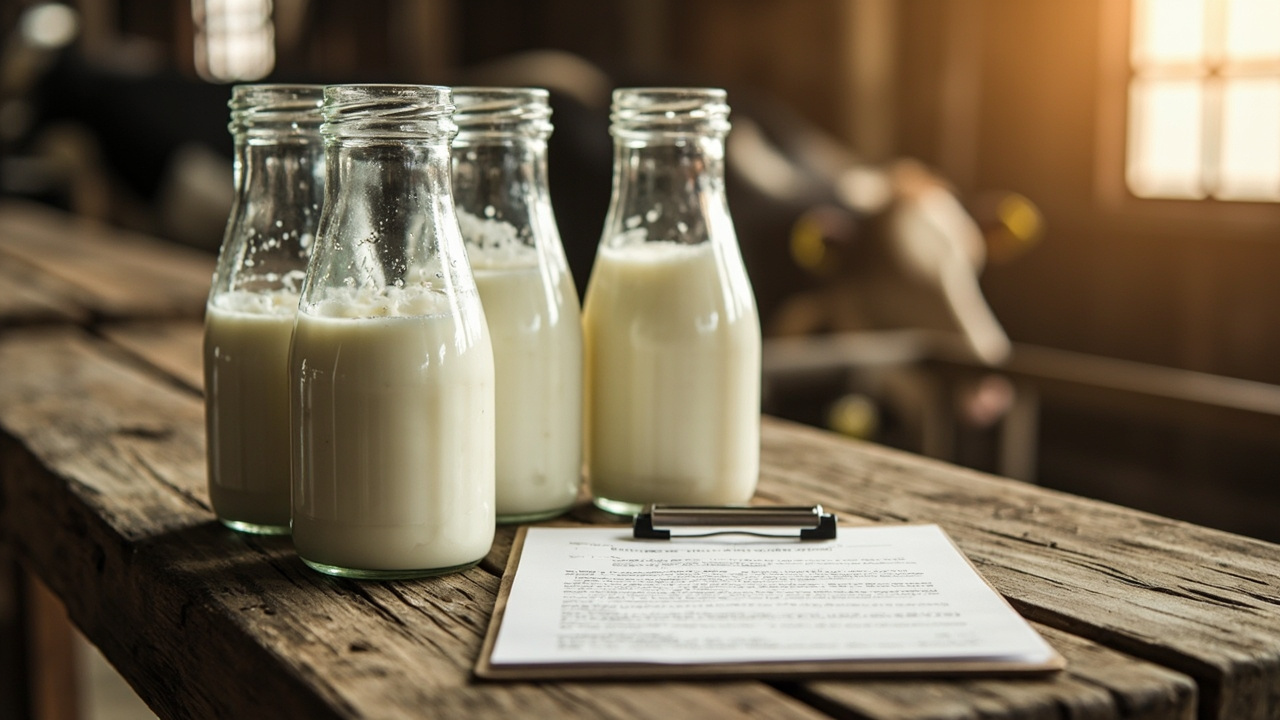
TL;DR: Eleven people in Louisiana became ill after drinking unpasteurized milk since April 23, 2026, with two hospitalized for campylobacteriosis and/or cryptosporidiosis.
The Louisiana Department of Health said on June 23, 2026, that it was investigating a cluster of intestinal illnesses tied to consumption of unpasteurized milk in Baton Rouge and other communities, according to the Louisiana Department of Health.
Eleven illnesses linked to raw milk since late April
Health officials identified 11 people who became ill after consuming raw milk during the period that began April 23, 2026. Those individuals tested positive for campylobacteriosis and/or cryptosporidiosis, two intestinal infections that health authorities track as foodborne hazards.
The department described the investigation as ongoing and said additional illnesses could still be identified. No deaths had occurred as of the announcement, but two of the 11 people required hospital care.
Those who became ill reported obtaining raw milk from three separate milking operations in Louisiana. The department did not publicly name those operations, a detail noted by the Louisiana Illuminator in its June 23 coverage of the announcement.
The case count covers about two months of exposures. State officials asked residents to recognize the potential health consequences of consuming milk that has not been heat-treated, even when it comes from a local farm or a familiar supplier.
What tests found: Campylobacter and Cryptosporidium
Stool testing in the cluster found evidence of campylobacteriosis and/or cryptosporidiosis among the people who reported recent raw-milk consumption. Both conditions affect the digestive tract and can produce a similar early symptom pattern.
According to the Louisiana Department of Health, common features of both infections include loose stools, elevated temperature, abdominal cramping, nausea and vomiting. Onset generally occurs two to ten days after exposure. Illness may continue for one to three weeks, and some patients develop complications that persist longer.
The Louisiana Illuminator described the same organisms as bacteria that can be present in unpasteurized milk, and noted that two patients needed inpatient treatment. Severe infections can in some instances lead to syndromes associated with stroke, kidney failure and death, the publication reported, underscoring why clinicians monitor dehydration, prolonged fever and worsening abdominal symptoms closely.
State officials encouraged anyone who has consumed raw milk or foods made with raw milk and then develops digestive symptoms to seek medical attention without delay. Prompt evaluation allows testing, supportive care and reporting that can help investigators connect related cases.
Why unpasteurized milk carries infection risks
Raw milk is milk from cows, goats, sheep or other mammals that has not undergone pasteurization. Pasteurization heats milk to a defined temperature for a defined time to destroy pathogens that cause human disease, according to the Louisiana Department of Health.
Milk that skips that heating step can harbor a range of microbes and parasites. The department listed campylobacter, cryptosporidium, E. coli, listeria, brucella and salmonella as examples of organisms that have been associated with unpasteurized dairy.
Careful milking hygiene, clean equipment, rapid chilling and healthy herds can lower contamination, but they do not remove the hazard entirely. That distinction is central to the department's message: good farm practices reduce contamination without eliminating the risk of harmful germs in raw milk.
The Louisiana Illuminator reported that federal and state health authorities share that assessment. The Louisiana Department of Health, the U.S. Food and Drug Administration and the U.S. Centers for Disease Control and Prevention all caution that drinking unpasteurized milk is not safe, the publication stated.
Nutrition claims do not remove the safety concern
Pasteurization does not eliminate the nutritional benefits of milk, the Louisiana Department of Health stated. The process is designed to target disease-causing organisms while retaining the nutrients that make milk a source of protein, calcium and other dietary components.
Some consumers choose unpasteurized products because they believe heating lowers nutritional value or because they believe unheated milk supplies helpful bacteria for digestive health. The Louisiana Illuminator characterized those ideas as a false assumption that leads some people to drink raw milk despite official warnings.
For nutrition-focused readers, the practical point from the announcement is straightforward. Heat treatment preserves milk's dietary contribution while adding a pathogen-reduction step. Skipping that step does not create a nutritionally superior product, according to the department, but it does reintroduce exposure to organisms that pasteurization is intended to remove.
Consumers who want milk nutrients without the added infection risk can choose pasteurized dairy and maintain refrigeration, handling and date-label practices recommended for perishable foods. Those general handling steps do not replace pasteurization, but they support overall dairy safety alongside it.
Louisiana law limits raw milk to animal use
Under Louisiana law, raw milk may only be sold or distributed for animal or pet consumption. Human sale for drinking is not permitted, a restriction that frames the current investigation.
The department also stated that it does not regulate production of raw milk or raw milk products. That regulatory note helps explain why the agency's role in this event centers on disease surveillance, laboratory confirmation, public warning and epidemiologic follow-up rather than dairy-plant inspection for these products.
The Louisiana Illuminator provided additional legal context, reporting that a state law approved two years earlier allows sale of raw milk for animals and pets to consume. Selling unpasteurized milk for human consumption remains illegal in Louisiana, the publication reported.
National rules vary. Citing the Campaign for Real Milk, the Louisiana Illuminator reported that retail sales of raw milk are legal in 16 states, while limited or farm-only sales are allowed in 18 other states. In 13 additional states the level of legality differs, with some permitting distribution for herd consumption or for pets while human consumption sales remain largely prohibited. Those comparisons show Louisiana's animal-use-only model is one of several state approaches, not a nationwide standard.
Who faces higher risk and what to do next
Young children, pregnant women, older adults and people with weakened immune defenses face a greater likelihood of severe illness from infections associated with raw milk, according to the Louisiana Department of Health. Age, pregnancy and immune status can reduce the ability to contain intestinal pathogens before dehydration or invasive complications develop.
Households in those groups should be particularly cautious about any product labeled or described as unpasteurized, including milk intended for pets that may be diverted to human use. Clear labeling, separate storage and direct communication with all household members can reduce accidental consumption.
Anyone who drank raw milk or ate a product made with it and then develops diarrhea, fever, cramps, nausea or vomiting should contact a clinician promptly. The department urged affected consumers to seek care quickly rather than waiting to see whether symptoms resolve on their own.
People who wish to report a possible illness can contact their regional LDH epidemiologist through the department's infectious-disease epidemiology page. The department also directed readers to federal information pages on raw milk, Campylobacter and Cryptosporidium maintained by the Centers for Disease Control and Prevention.
Investigation continues
The department said investigators are continuing to gather histories, laboratory results and product information, and that more cases might be found as reporting catches up. That active status means the totals released June 23 — 11 illnesses, two hospitalizations and no deaths — represent identified cases at that point, not necessarily a final count.
For now, the verified message from Louisiana health officials remains focused on awareness: unpasteurized milk from multiple Louisiana milking operations has been linked to intestinal infections since late April, hospital care has been required in two instances, and consumers who develop symptoms after raw-milk exposure should obtain medical care and report the illness for follow-up.