One IT Professional Lost 30 kg — Here Is Exactly How He Did It
TL;DR: Pavan Kalyan Reddy, a 25-year-old IT professional from Bengaluru, lost 30 kg after enrolling in a personalized, non-surgical weight management program at Kolors Healthcare's Sadashiv Nagar branch — proof that structured dietary guidance and consistent lifestyle coaching can reverse obesity-related symptoms without surgery or crash dieting.
When Pavan stepped on a scale before his first consultation at Kolors Healthcare, the display read 83 kg — well above the healthy BMI range for his height. He reported chronic gastric discomfort, persistent heaviness, and a steady decline in confidence. Within months of committing to a customized regimen crafted by Kolors nutritionists and wellness coaches, he shed 30 kg, eliminated his digestive complaints, and rebuilt his self-esteem. His story is not an outlier. It reflects a documented, repeatable methodology that Kolors Healthcare has deployed across hundreds of branches in India, and it arrives at a moment when the country faces a deepening obesity crisis.
India's Obesity Problem Makes Pavan's Story Timely
The scale of India's weight challenge gives Pavan's transformation its broader significance. The World Health Organization estimates that more than 200 million adults in India are classified as obese or overweight, a figure that has climbed sharply over the past two decades driven by sedentary desk jobs, ultra-processed food consumption, and disrupted sleep patterns. IT professionals — a demographic that logs long hours in front of screens — are disproportionately affected.
Obesity is not merely a cosmetic concern. Excess visceral fat elevates the risk of type 2 diabetes, cardiovascular disease, non-alcoholic fatty liver disease, and metabolic syndrome. Gastric discomfort, one of Pavan's presenting symptoms, is a recognized consequence of excess abdominal weight pressing on the stomach and altering gut motility. Addressing body weight directly addresses these downstream risks.
Kolors Healthcare, founded by Dr. D. Vijaya Krishna and headquartered in Hyderabad, was established specifically to bridge the gap between hospital-based bariatric surgery and the ineffective world of fad diets. The company operates more than 100 centers across South India, with the Sadashiv Nagar branch in Bengaluru being among its high-volume locations.
What Pavan's Program Actually Looked Like
Initial Assessment and Goal Setting
Pavan's first appointment at the Sadashiv Nagar branch involved a comprehensive body composition analysis — not just weight, but fat percentage, visceral fat index, muscle mass, and metabolic rate. This data allowed the clinical team to establish a realistic caloric target and a macronutrient split calibrated to his resting metabolic rate and activity level as a sedentary office worker.
The goal was set at a conservative 0.5–1 kg of fat loss per week, a rate endorsed by clinical nutrition guidelines as sustainable and least likely to trigger the metabolic adaptation — colloquially called the "yo-yo effect" — that undermines aggressive crash diets. According to a detailed review published by News24Online on Kolors Healthcare's non-surgical approach, the company's framework deliberately avoids very-low-calorie diets below 1,200 kcal/day because such protocols accelerate lean muscle loss and suppress resting metabolism, making long-term weight maintenance nearly impossible (Kolors Healthcare's Beyond Dieting Approach, news24online.com).
The Nutrition Plan
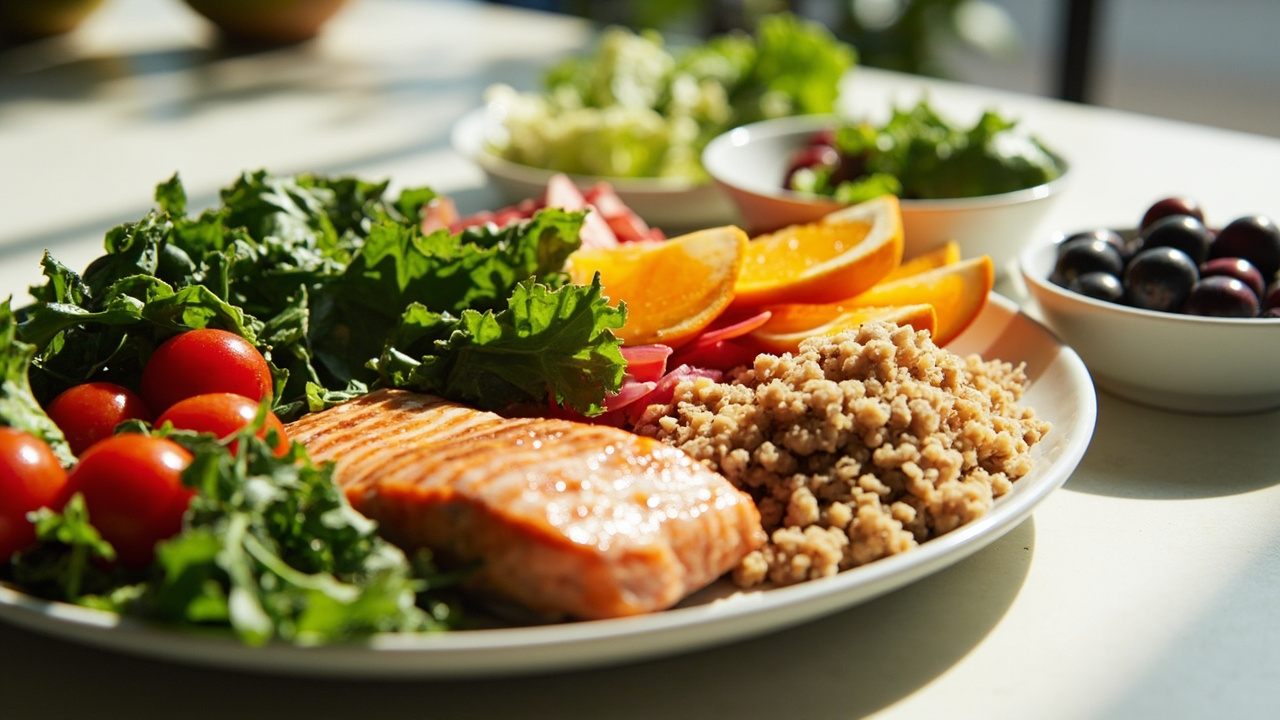
Pavan's meal plan was built around foods readily available in a Bengaluru household — ragi, jowar, dal, seasonal vegetables, curd, and lean protein sources including eggs and paneer. Refined carbohydrates were reduced, not eliminated, a crucial psychological distinction that prevents the deprivation-binge cycle. Meal timing was standardized: breakfast within 90 minutes of waking, lunch between noon and 1 p.m., and dinner before 8 p.m. to align with circadian insulin sensitivity.
Portion control was taught through visual cues — a palm-sized protein serving, a cupped-hand carbohydrate portion, a thumb-sized fat allocation — making the plan executable in restaurants and social settings without calorie-counting apps.
Physical Activity Integration
Given Pavan's desk-bound schedule, the wellness team prescribed 30 minutes of moderate-intensity walking five days a week in the first four weeks, progressing to resistance training twice weekly by month two. This combination was chosen to preserve lean muscle mass during the caloric deficit, a factor critical to preventing metabolic slowdown. No gym membership was required in the initial phase; staircase climbing and bodyweight exercises were incorporated into his daily office routine.
Non-Invasive Body Contouring Support
Kolors also deployed radiofrequency-based body contouring sessions on stubborn fat deposits — a non-surgical adjunct that the company uses alongside dietary intervention, not as a substitute for it. These sessions support inch loss and skin tightening as fat cells shrink, addressing the aesthetic dimension without the downtime or risks of liposuction.
The Results: 30 kg in Several Months
By the end of his program, Pavan had lost 30 kg, bringing his weight into the normal BMI range for the first time in years. His gastric discomfort resolved within the first six weeks — a timeline consistent with research showing that a 5–10 percent body weight reduction significantly improves gastrointestinal symptoms associated with obesity. His energy levels increased markedly, and he reported that tasks he had previously found exhausting — evening walks, weekend travel — became effortless.
As documented in an NTV English feature on Kolors client success stories, Pavan described the shift in personal terms: "Joining Kolors not only helped me shed the extra weight; it brought back my confidence and zest for life." (Client Success Stories: Real Transformations with Kolors Healthcare, ntvenglish.com). The NTV English report highlighted several clients across age groups who attributed similar turnarounds to the same structured methodology.
Why Personalized Plans Outperform Generic Diets
The scientific rationale for individualized nutrition is well-established. Two people eating identical diets can experience substantially different blood glucose responses to the same foods, a phenomenon documented in the landmark 2015 Weizmann Institute study by Eran Segal and Eran Elinav. Kolors' model acknowledges this variability by anchoring plans to each client's biometric baseline rather than a one-size-fits-all caloric prescription.
Additionally, behavioral compliance — sticking to the plan — is consistently the strongest predictor of long-term weight loss success, outweighing the specific macronutrient ratio chosen. By building plans around familiar foods, setting gradual progression targets, and pairing them with weekly check-in accountability sessions, Kolors addresses the behavioral dimension that most app-based diet programs ignore.
The Community Layer: Accountability That Sticks
Kolors centers function as physical community hubs where clients interact with staff and peers at regular intervals. Weekly weigh-ins are conducted by wellness coaches who review progress, troubleshoot adherence barriers, and recalibrate plans as needed. This human touchpoint distinguishes the model from purely digital wellness products and mirrors the accountability structures shown in clinical trials to double long-term weight loss maintenance rates.
Pavan cited the support of his assigned nutritionist at the Sadashiv Nagar branch as pivotal during weeks when motivation dipped — typically weeks three through six, when initial water-weight loss plateaus and true fat loss becomes the primary driver of scale movement.
Key Lessons from Pavan's Transformation
Pavan's 30 kg loss is reproducible precisely because it rests on principles backed by clinical nutrition science: a moderate caloric deficit, protein adequacy to preserve muscle, progressive physical activity, consistent sleep hygiene, and structured behavioral accountability. None of these elements is exotic or expensive. What Kolors Healthcare provides is the expert scaffolding that translates these principles into a day-by-day, meal-by-meal practice that a busy IT professional can sustain.
For the millions of Indians currently above their recommended BMI, Pavan's story is not an aspirational outlier — it is a replicable roadmap.
Sources cited in this article include the News24Online review of Kolors Healthcare's non-surgical weight loss approach and the NTV English feature on Kolors client success stories.