2025 Infant Botulism Outbreak Linked to Infant Formula in Washington State
The ongoing investigation into a 2025 outbreak of infant botulism linked to ByHeart powdered infant formula has confirmed 2 cases in Washington state, as reported by the Washington State Department of Health on December 10, 2025. The outbreak has affected 51 infants across 19 states, with health officials taking significant steps to manage the crisis.
Overview of the Outbreak
The Centers for Disease Control and Prevention (CDC) is collaborating with the U.S. Food and Drug Administration (FDA) and health departments nationwide to address this serious public health concern. The outbreak has been linked primarily to ByHeart formula, first introduced in March 2022. Initially, cases reported were from infants who consumed the formula starting from August 1, 2025; however, the CDC expanded the investigation to include younger cases dating back to the product's release, marking a disturbing trend in infant health (Washington State Department of Health, 2025).
Expanded Recall of ByHeart Products
On November 10, 2025, ByHeart voluntarily recalled its Whole Nutrition Infant Formula, following evidence of Clostridium botulinum spores found in unopened containers. The formula is available in 24 oz cans and 0.6 oz "Anywhere" single-serving packets. Health authorities advised consumers to discard the affected products immediately if purchased and to maintain vigilance for possible symptoms in infants (Washington State Department of Health, 2025).
Symptoms and Risks of Infant Botulism
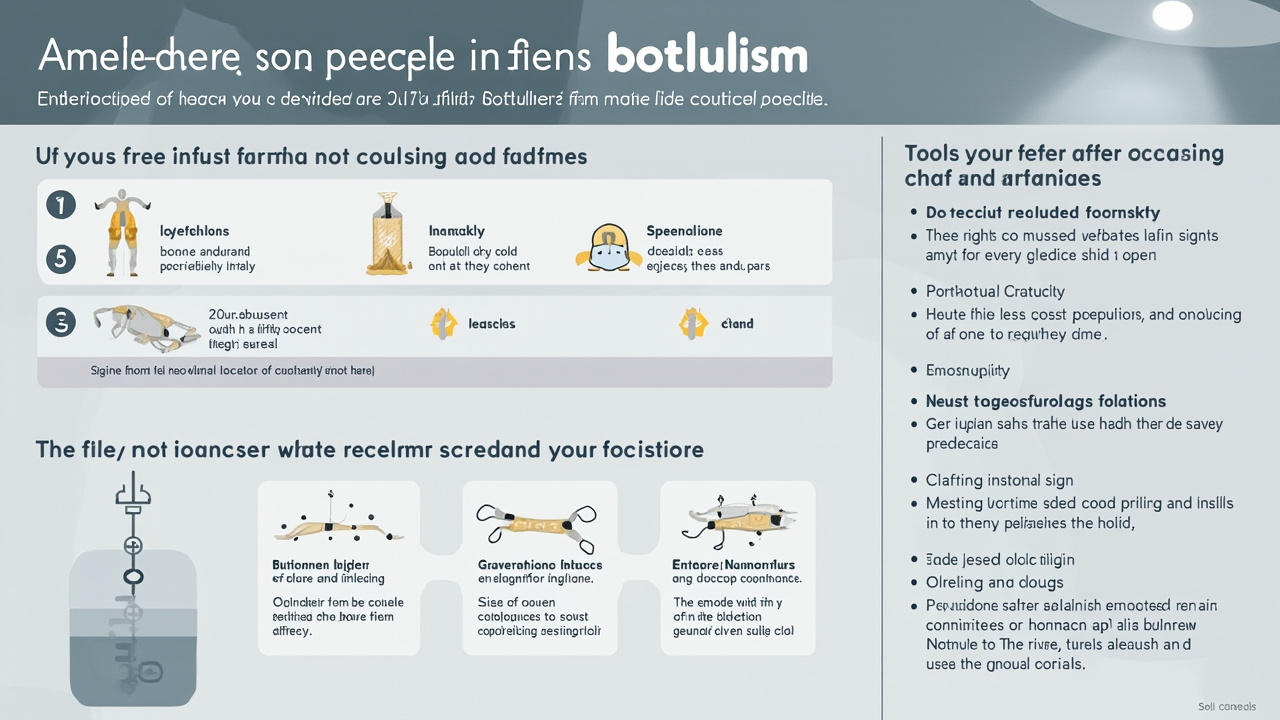
Infant botulism typically manifests in infants under 12 months of age, as their immature digestive systems are susceptible to the toxin produced by the bacteria. Symptoms include constipation, weak muscle tone, difficulty breathing, and feeding problems. Notably, botulism toxin can lead to severe paralysis, necessitating immediate medical attention (Washington State Department of Health, 2025).
Parents are cautioned to look for symptoms such as:
- Poor feeding and lethargy
- Loss of head control and trouble swallowing
- Weak or abnormal crying
- Floppy body tone
Should any signs show, medical intervention is critical to prevent severe outcomes (CDC, November 2025).
Historical Context and Current Statistics
Infant botulism is extremely rare, with New York and California seeing some of the highest reported cases. Washington, on average, has 4 cases annually, making this outbreak particularly noteworthy. The state has confirmed a case stemming from Lewis County, with hospitals on alert to identify any additional affected infants (Washington State Department of Health, 2025).
By November 12, 2025, the CDC had reported that the nationwide count of affected infants had risen to 15 across 12 states. Public health officials continue soliciting reports from healthcare providers and monitoring cases closely.
Public Health Recommendations
To mitigate risks associated with this outbreak, health authorities recommend:
- Parents should cease using ByHeart formula and return any unopened products to retailers.
- Wash any surfaces or utensils that may have come in contact with the recalled formula.
- Consult a physician if an infant has displayed concerning symptoms following consumption of the formula.
For ongoing updates about the investigation and recall, the CDC has provided resources including a dedicated hotline for parents and caregivers at 1-833-398-2022 which operates daily from 7 a.m. to 7 p.m. PT (California Department of Public Health).
The Role of Public Health Agencies
Washington’s Department of Health urges healthcare providers to familiarize themselves with the symptoms of infant botulism and to report suspected cases promptly. The state also emphasizes the importance of maintaining rigorous safety standards in food production to prevent future outbreaks (Washington State Department of Health, 2025).
Continuous monitoring and effective communication strategies are crucial as health officials work to contain the current outbreak and reassure public safety.