TL;DR: FDA and CDC reopened a moringa-linked Salmonella investigation after 22 new illnesses raised the total to 119 cases in 36 states as of May 27, 2026.
Federal regulators have reopened a previously closed Salmonella investigation tied to moringa leaf powder after 22 additional illnesses were reported from four states, bringing the cumulative total to 119 people infected with outbreak strains across 36 states as of May 27, 2026, according to Food Safety News. The reopening came one day after officials announced a separate moringa-capsule outbreak, creating two active federal investigations involving imported moringa leaf powder products.
The earlier investigation had been closed on March 17, but the Food and Drug Administration reports that it, the Centers for Disease Control and Prevention, and state and local health offices restarted work because of new illness reports, according to Food Safety News. Since the closure, 22 new cases and six additional hospitalizations have been recorded, with no deaths reported in the reopened outbreak, according to the CDC Newsroom. Officials now link some of the recent illnesses to specific lots of TNVitamins Moringa Capsules that have been recalled but may remain in homes.
Two outbreaks under investigation at once
Public health officials are now tracking two distinct Salmonella outbreaks connected to moringa leaf products, according to Food Safety News. The reopened investigation involves Salmonella Typhimurium and Salmonella Newport infections, while the newly announced investigation involves Salmonella Typhimurium infections linked to Mogo-brand moringa capsules.
In the reopened outbreak, illnesses started on dates ranging from Aug. 22, 2025, to April 26, 2026, according to Food Safety News. Of 109 people with available information, 32 have been hospitalized, and no deaths have been reported. The true patient count is likely higher because some ill people do not seek care and others are not specifically tested for Salmonella, with CDC estimating 29 undetected cases for every confirmed Salmonella patient, according to Food Safety News.
The second outbreak involves 18 people infected with the outbreak strain reported from 14 states as of May 26, 2026, according to the CDC investigation page. Illness onset dates in that cluster ranged from Feb. 3, 2026, to April 7, 2026. Of 13 people with information available, seven have been hospitalized and no deaths have been reported.
What patient interviews show
Interview data point strongly toward moringa-containing supplements in the reopened outbreak. Of 79 patients interviewed, including some of the 22 new cases, 70 reported eating a product containing moringa leaf powder, according to Food Safety News.
Among those 70, 60 reported consuming Live it Up Super Greens supplement powders only, five reported Why Not Natural moringa powder capsules only, one reported consuming both products, and four reported TNVitamins moringa powder capsules only, according to Food Safety News. Federal officials said information shows some lots of TNVitamins Moringa Capsules may be making people sick now, according to the CDC Newsroom.
In the newer Mogo-associated outbreak, state and local officials interviewed eight people about foods eaten in the week before illness, according to the CDC investigation page. Six of eight, or 75%, reported eating moringa powder capsules, including four who reported Mogo-brand moringa capsules. Epidemiologic data show that Mogo-brand moringa capsules may be contaminated with Salmonella Typhimurium and may be making people sick, according to the CDC investigation page.
Who has been affected
The reopened outbreak has spread widely since surveillance began, with 119 infections reported from 36 states as of May 27, according to Food Safety News. The 22 illnesses added after the March 17 closure came from four new states, with six additional hospitalizations and no deaths, according to the CDC Newsroom.
Demographic detail is most complete for the newer 18-person outbreak. Ages ranged from 1 to 93 years, with a median age of 67, according to the CDC investigation page. Half of the patients were female and half were male among the 18 with sex information. Among 12 people with race information, 92% were White and 8% were African American/Black. Among 11 people with ethnicity information, 100% were non-Hispanic.
CDC cautioned that recent illnesses may not yet be reported because determining whether a sick person is part of an outbreak usually takes three to four weeks, according to the CDC investigation page. The agency also said the outbreak may not be limited to states with known illnesses because many people recover without medical care and testing.
Laboratory findings point to common sources
Whole genome sequencing showed that bacteria from sick people's samples in the Mogo-associated outbreak are closely related genetically, suggesting illness from the same food, according to the CDC investigation page. Investigators used the CDC PulseNet system, which manages a national database of DNA fingerprints of foodborne bacteria, to identify related cases.
Sequencing analysis of bacteria from 18 people's samples did not predict resistance to any antibiotics, according to the CDC investigation page. More information on resistance monitoring is available through the National Antimicrobial Resistance Monitoring System site referenced by CDC.
FDA is conducting a traceback investigation of products consumed before illness to determine contamination sources and is working with state partners to collect samples for testing, according to the CDC investigation page. In the reopened outbreak, FDA is conducting additional supply-chain traceback to identify the specific Salmonella source and is working with state and local partners to sample products and determine whether additional products may be contaminated, according to Food Safety News.
Recalls linked to the outbreaks
Several products have been recalled in connection with the two investigations, according to Food Safety News. Consumers are advised not to eat, sell, or serve recalled products and to discard them or return them to the place of purchase.
Recalled products identified by Food Safety News include TNVitamins-brand Ultra Potent Complete Green Superfood Moringa capsules 10,000 mg in 120-capsule bottles from lots 2507199 with expiration 09/2027, 2512-304 with expiration 02/2028, and 2793 with expiration 02/2028. The same report lists Doctor's Pride Complete Green Superfood Ultra Potent Moringa 10,000 mg in 120-capsule bottles from lot 2507199 with expiration 09/2027.
The list also includes Why Not Natural Pure Organic Moringa Green Superfood capsules with lot A25G051 and expiration 07/2028 on the bottom of the bottle, all Live it Up-brand Super Greens dietary supplement powder in original and wild berry flavors with lots beginning with the letter A and all stick-pack products with expiration dates from 08/2026 to 01/2028, and MOGO-brand Pure Moringa Oleifera capsules from lots 15525AA with expiration 6/2027 and 00926AA with expiration 1/2028, according to Food Safety News.
Mogo recall details
On May 25, Mogo Moringa LLC conducted a voluntary recall of two lots of Moringa Oleifera Capsules, according to the CDC investigation page. CDC advises people not to eat, sell, or serve the recalled Mogo-brand capsules.
The company, based in Saint Louis, Missouri, recalled the lots after discussions with FDA regarding a possible contamination concern, according to the FDA recall notice. Affected lots are 15525AA expiring 06/2027 and 00926AA expiring 01/2028. No other lots or Mogo Moringa LLC products are included.
The product is packaged in a white plastic bottle and sold online through authorized channels, according to the FDA recall notice. The company states it does not authorize third-party sellers and encourages purchase only from official sources. Independent third-party testing of retained samples from the affected lots detected no Salmonella, but the company proceeded as a precaution in coordination with FDA while evaluation continues, according to the FDA recall notice.
Total Nutrition recall and distribution
Total Nutrition Inc. of Deer Park, New York, voluntarily recalled TNVitamins Ultra Potent Complete Green Superfood and Doctor's Pride Complete Green Superfood Ultra Potent Moringa Capsules in 120-count bottles because of potential Salmonella contamination, according to the FDA recall notice for Total Nutrition. The recall followed notification from FDA and CDC that the products may be implicated in an ongoing investigation involving moringa-containing supplements.
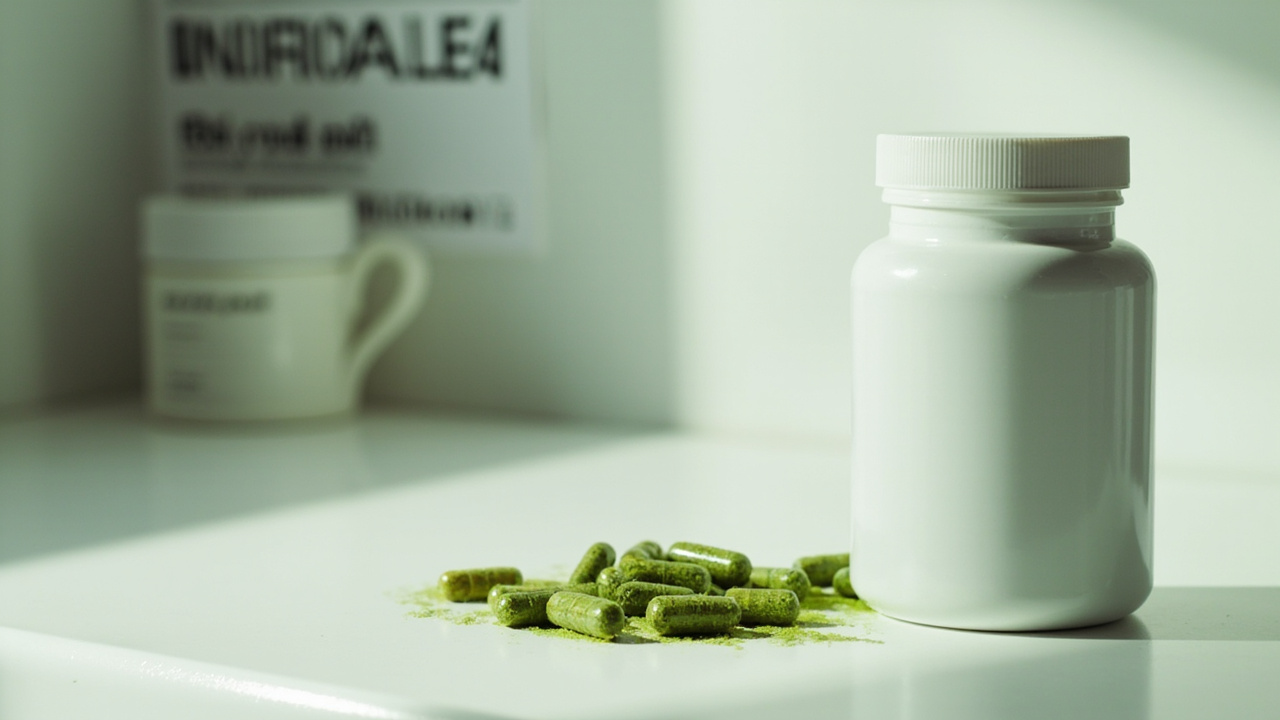
The recalled product was distributed nationally through Amazon, Walmart, TikTok Shop, Target, and the company websites tnvitamins.com and doctorspride.com, according to the FDA recall notice for Total Nutrition. Bottles are white HDPE supplement bottles with smooth white caps containing 120 clear capsules filled with green moringa powder.
The company has ceased distribution and sale of the identified product and initiated removal orders across sales and fulfillment channels while FDA, CDC, and the company continue investigation, according to the FDA recall notice for Total Nutrition. No other TNVitamins or Doctor's Pride products are involved. Customers may request a refund by contacting [email protected] with name, order number, and a photo showing the lot codes.
What consumers should do now
CDC advises consumers to check homes for recalled products and not to use them, according to the CDC Newsroom. Any recalled capsules found at home should be thrown out or returned to the store. Items and surfaces that may have touched recalled products should be washed with hot soapy water or in a dishwasher.
People with severe Salmonella symptoms should call a healthcare provider, according to the CDC Newsroom. Anyone who ate moringa powder products and developed symptoms should seek medical attention and tell doctors about possible Salmonella exposure because special tests are needed to diagnose salmonellosis, according to Food Safety News.
State health departments should be contacted with questions about cases in a particular state, according to the CDC Newsroom. The Washington State Department of Health and Minnesota Department of Health also posted state-level notices about the multistate moringa-powder outbreak in May 2026.
Symptoms and who faces higher risk
Most people infected with Salmonella develop diarrhea, fever, and stomach cramps six hours to six days after exposure, according to the CDC Newsroom. Illness usually lasts four to seven days, and most people recover without treatment, although some become severely ill enough to require hospitalization.
Food Safety News reports symptom onset can include diarrhea, abdominal cramps, and fever within 12 to 72 hours after eating contaminated food, with otherwise healthy adults usually ill for four to seven days. In some cases diarrhea is severe enough to require hospitalization.
Children younger than five, adults 65 and older, and people with weakened immune systems are more likely to develop severe illness, according to the CDC Newsroom. Infants, children, seniors, and people with fragile immune systems face higher risk of serious infection, and contaminated items do not usually look, smell, or taste spoiled, according to Food Safety News.