TL;DR: Total Nutrition Inc. expanded its recall of TNVitamins and Doctor's Pride moringa capsules on June 11, 2026 for possible Salmonella contamination linked to a reopened multistate outbreak.
Recall expansion answers which bottles to remove
Total Nutrition Inc. of Deer Park, NY is voluntarily expanding its recall of TNVitamins and Doctor's Pride Ultra Potent Complete Green Superfood Moringa Capsules due to the potential to be contaminated with Salmonella, according to the FDA recall notice titled Total Nutrition Inc. Expands Recall of TNVitamins and Doctor's Pride Ultra Potent Complete Green Superfood Moringa Capsules Because of Possible Health Risk Following Further Supply Chain Review.
The company announcement date was June 11, 2026, and the FDA publish date was June 11, 2026. The product type was listed as Food & Beverages Foodborne Illness, and the reason for announcement was listed as Possible Salmonella Contamination.
The expansion follows an ongoing supply chain investigation that identified additional lot numbers linked to the same raw material lot that prompted the original recall. The company said the expansion was discovered during a supply chain traceability review which identified a common raw material from Lot 2507199 or 2512-304, one of the original recalled lots.
Total Nutrition Inc. is including Lots 2503104, and 2725 of TNVitamins Ultra Potent Complete Green Superfood Moringa 10,000 mg and Doctor's Pride Complete Green Superfood Ultra Potent Moringa 10,000 mg in the recall effective immediately. The notice states that no other TNVitamins or Doctor's Pride products are involved.
Exact products, lots and packaging to check
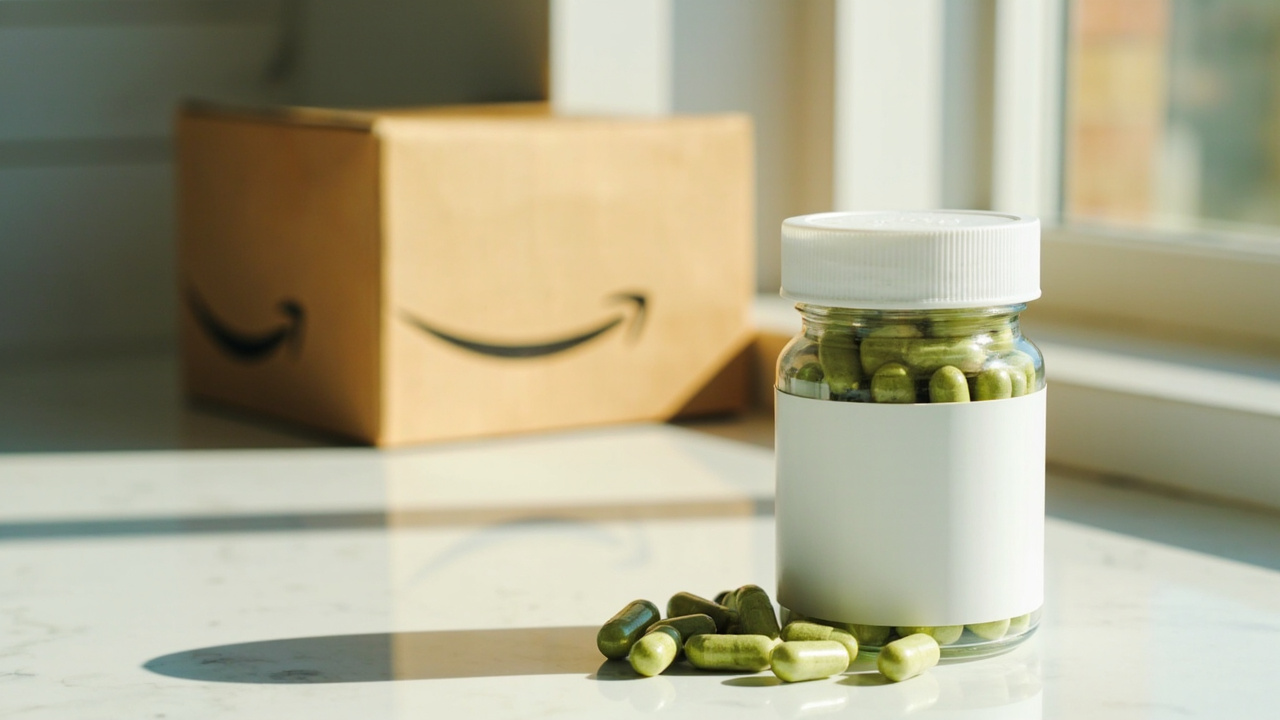
The recalled product is packaged in white HDPE supplement bottles with smooth, white caps and 120 clear capsules filled with green moringa powder. Consumers can compare brand, product type, lot number and expiration date against the FDA listing rather than relying on product name alone.
For TNVitamins Ultra Potent Complete Green Superfood Moringa 10,000 mg in 120 capsules, the listed lots are Lot 2507199 Exp. 09/2027, Lot 2512-304 Exp. 02/2028, Lot 2793 Exp. 02/2028, Lot 2748 Exp 07/2027, Lot 2725 Exp. 04/2027 newly added, and Lot 2503104 Exp. 04/2027 newly added.
For Doctor's Pride Complete Green Superfood Ultra Potent Moringa 10,000 mg in 120 capsules, the listed lots are Lot 2507199 Exp. 09/2027, Lot 2748 Exp. 07/2027, and Lot 2725 Exp. 04/2027 newly added.
The recalled product was distributed nationally through the online platforms Amazon, Walmart, TikTok Shop, Target, and the company's websites http://www.tnvitamins.com/ and https://www.doctorspride.com/. Total Nutrition Inc. has ceased distribution and sale of the identified product and has initiated removal orders across all applicable sales and fulfillment channels while the FDA, CDC and the company continue their investigation.
The recall was initiated following notification from the U.S. Food and Drug Administration and the Centers for Disease Control and Prevention that these products may be implicated in an ongoing investigation associated with moringa-containing dietary supplement products.
Why the outbreak investigation was reopened
CDC and public health officials in several states are investigating a multistate outbreak of Salmonella Typhimurium and Salmonella Newport infections linked to moringa products, as summarized in the June 11, 2026 Research Thursday post describing the Red Book Online Outbreaks document dated June 2, 2026.
Epidemiologic, traceback, and laboratory data show that moringa leaf powder is contaminated with Salmonella and is making people sick. Since the investigation was closed on March 17, 2026, 22 new illnesses from 4 states have been reported. The investigation has since been reopened, and as of May 27, 2026, a total of 119 people infected with one of the outbreak strains have been reported from 36 states.
Illnesses started on dates ranging from August 22, 2025, to April 26, 2026. Of 109 people with information available, 32 have been hospitalized. No deaths have been reported.
The prior recalls in that investigation included action on May 26, 2026, when Total Nutrition, Inc recalled two brands of moringa capsules, with TNVitamins lots 2507199 expiration 9/2027, 2512-304 expiration 2/2028 and 2793 expiration 2/2028, and Doctor's Pride lot 2507199 expiration 9/2027. Earlier, on January 28, 2026, Why Not Natural recalled Why Not Natural Pure Organic Moringa Green Superfood capsules Lot A25G051 expiration 07/2028 in a 120-capsule bottle sold nationwide. On January 15, 2026, Superfoods, Inc. recalled all Live it Up Super Greens supplement powders with expiration dates 08/2026 to 01/2028 sold nationwide in the United States, including Puerto Rico, Guam, and Virgin Islands, including Original and Wild Berry flavors.
Second moringa outbreak and Minnesota signal
A separate Salmonella investigation linked to MOGO-brand moringa powder capsules is also being tracked. According to the Food Poisoning Bulletin article titled New Salmonella Outbreak on FDA CORE Investigation Table, published June 11, 2026, the Mogo moringa leaf powder capsule outbreak has sickened at least 18 people, and seven of those patients have been hospitalized.
The article lists that case count by state as California 1, Florida 1, Georgia 1, Illinois 1, Massachusetts 1, Michigan 1, Minnesota 2, North Carolina 2, North Dakota 1, Oregon 1, Pennsylvania 2, South Carolina 1, Tennessee 1, and Washington 2. Illness onset dates range from February 3, 2026 to April 7, 2026. The patient age range is from 1 to 93 years. A recall has been issued.
The same Food Poisoning Bulletin report describes the larger TNVitamins and Doctor's Pride investigation as closed but reopened when 22 more cases were discovered. It lists cases in Alabama 1, Arkansas 1, Delaware 1, Florida 1, Georgia 3, Oregon 1, Idaho 1, Maine 3, Missouri 3, North Carolina 2, North Dakota 1, South Dakota 1, Alaska 1, New Jersey 3, Oklahoma 1, Pennsylvania 8, Rhode Island 1, Tennessee 2, Texas 3, Utah 1, Washington 1, California 4, Iowa 2, Michigan 6, Nebraska 2, South Carolina 2, Virginia 3, Vermont 3, Connecticut 3, Massachusetts 5, Minnesota 9, Illinois 5, Kentucky 5, Ohio 6, New York 8, and Wisconsin 16.
Minnesota officials also tied two April 2026 illnesses to tnvitamins brand moringa leaf powder capsules lot 2793 expiration February 2028 purchased on Amazon. Neither person was hospitalized and both have recovered. From November 2025 through February 2026, there had been 97 cases, seven in Minnesota, including 26 hospitalizations, five in Minnesota, in 32 states, with no deaths.
Who faces higher risk from Salmonella
Salmonella is an organism which can cause serious and sometimes fatal infections in young children, frail or elderly people, and others with weakened immune systems. Healthy persons infected with Salmonella often experience fever, diarrhea which may be bloody, nausea, vomiting and abdominal pain.
In rare circumstances, infection with Salmonella can result in the organism getting into the bloodstream and producing more severe illnesses such as arterial infections including infected aneurysms, endocarditis, and arthritis.
The clinical summary states that most people infected with Salmonella experience diarrhea, fever, and stomach cramps. Symptoms typically start 6 hours to 6 days after swallowing the bacteria. Most people recover without treatment after 4 to 7 days.
The incidence of Salmonella infection is highest in children younger than 4 years of age. In the United States, rates of invasive infections and mortality are higher in infants, elderly people, and people with hemoglobinopathies including sickle cell disease and immunocompromising conditions including malignant neoplasms and HIV infection.
What to do with recalled capsules today
Customers who have purchased the affected products are asked to dispose of them immediately. The FDA notice states do not eat, sell, or serve the product. Customers may request a refund by contacting TNVitamins at [email protected] and providing name, order number, and a photo of the product with lot codes in question.
CDC advises people should not eat any recalled products and to throw them away or contact the company. People should wash items and surfaces that may have touched the recalled food using hot soapy water or a dishwasher. Retailers and other businesses should not sell or serve recalled products and should clean and sanitize surfaces that may have come in contact with them.
Patients should be seen by their pediatrician if they present with diarrhea and a fever higher than 102°F, diarrhea for more than 3 days that is not improving, bloody diarrhea, not tolerating oral liquids, or signs of dehydration such as decreased urine output, dry mucous membranes, or orthostatic hypotension.
Diagnosis is by isolation of Salmonella organisms from cultures of stool, blood, urine, bile including duodenal fluid containing bile, and material from foci of infection. Salmonella gastroenteritis is diagnosed by stool culture or molecular testing including PCR, and stool testing should be obtained in all children with bloody diarrhea or unexplained persistent or severe diarrhea.
Treatment and reporting context for clinicians and families
Antimicrobial therapy usually is not indicated for patients with either asymptomatic infection or uncomplicated gastroenteritis caused by Salmonella, because therapy does not shorten the duration of diarrheal disease, can prolong duration of fecal shedding, and increases symptomatic relapse rate.
Antimicrobial therapy is recommended for gastroenteritis caused by Salmonella in people at increased risk for invasive disease, including infants younger than 3 months and people with chronic gastrointestinal tract disease, malignant neoplasms, hemoglobinopathies, HIV infection, or other immunosuppressive illnesses or therapies. Antibiotics should also be considered for those experiencing severe symptoms such as severe diarrhea or prolonged or high fever.
If antimicrobial therapy is initiated in patients in the United States with presumed or proven Salmonella gastroenteritis, a blood and a stool culture should be obtained prior to antibiotic administration. Most cases are treated empirically. If the person appears ill or has evidence of disseminated infection, hospitalization along with initiation of a broad-spectrum parenteral cephalosporin often is prescribed. Oral antimicrobials such as azithromycin may be considered for patients who do not appear ill or have evidence of disseminated infection. If cultures are obtained, definitive therapy should be based on susceptibility of the organism isolated. Suspected cases should be reported to the local department of public health.
Sources referenced
- Total Nutrition Inc. Expands Recall of TNVitamins and Doctor’s Pride Ultra Potent Complete Green Superfood Moringa Capsules Because of Possible Health Risk Following Further Supply Chain Review | FDA (https://www.fda.gov/safety/recalls-market-withdrawals-safety-alerts/total-nutrition-inc-expands-recall-tnvitamins-and-doctors-pride-ultra-potent-complete-green-0)