The Short Answer: You Can Have Both Comfort and Nutrition This Winter
Healthy eating and comfort eating are not opposites — and a growing body of evidence proves it. A 2020 peer-reviewed review published in Frontiers in Psychology confirmed that targeted dietary choices directly regulate serotonin and mood during winter months, particularly for people experiencing Seasonal Affective Disorder (SAD). At the same time, registered dietitian Ashlee Carnahan, MS, RDN, CLC, CPT, writing for Henry Ford Health in January 2026, emphasized that healthy winter foods can be just as satisfying and emotionally rewarding as processed comfort snacks — without the guilt spiral that follows overconsumption.
The challenge is real: shorter days reduce sunlight exposure, serotonin levels drop, and the brain compensates by craving calorie-dense, carbohydrate-heavy foods. Understanding why this happens — and what to eat instead — makes the seasonal shift far easier to manage.
Why Winter Changes What You Want to Eat
Seasonal Affective Disorder affects an estimated 1 to 6 percent of the U.S. population, with a milder form, sometimes called the "winter blues," affecting up to 20 percent, according to the American Psychiatric Association. The mechanism is well-documented: reduced sunlight exposure depresses serotonin synthesis and disrupts circadian rhythms, triggering fatigue, low mood, and intensified cravings for sugar and simple carbohydrates.
The Frontiers in Psychology 2020 review — titled "The Role of Diet, Eating Behavior, and Nutrition Intervention in Seasonal Affective Disorder" — analyzed multiple clinical studies and found that dietary interventions targeting serotonin precursors (tryptophan, found in turkey, eggs, and nuts) and anti-inflammatory omega-3 fatty acids meaningfully reduced SAD symptoms. The review's authors concluded that nutrition is "an essential, modifiable factor" in managing seasonal mood changes — a finding that places food choices at the center of any winter wellness strategy.
The Mood-Food Connection: What the Science Says
Food affects mood through several interconnected pathways:
- Serotonin production: Approximately 90 percent of the body's serotonin is produced in the gut. Dietary fiber and fermented foods feed the gut microbiome, which in turn supports serotonin synthesis.
- Blood sugar stability: Processed comfort foods spike and crash blood glucose, producing short bursts of relief followed by irritability and fatigue. Complex carbohydrates provide a slower, steadier energy curve.
- Inflammation: Highly processed diets are associated with elevated inflammatory markers, which correlate with depression. Anti-inflammatory foods — olive oil, fatty fish, leafy greens — work in the opposite direction.
- Vitamin D: Sunlight scarcity in winter leads to widespread vitamin D deficiency in northern latitudes. Low vitamin D is independently linked to depressive symptoms. Eggs, fortified dairy, and fatty fish are among the few reliable dietary sources.
As Carnahan noted in her January 2026 Henry Ford Health article, "Mood-Boosting Food For Winter": "When you do indulge in less healthy foods, you tend to get down on yourself." The psychological cost of chronic overeating of junk food compounds the physiological impact — creating a feedback loop that is genuinely hard to break.
Top Mood-Boosting Winter Foods (With the Science Behind Each)
Fatty Fish: Salmon, Sardines, Mackerel
Omega-3 fatty acids — specifically EPA and DHA — are among the most studied nutrients in mood research. Multiple meta-analyses, including a 2019 analysis in Translational Psychiatry, found that EPA supplementation significantly reduced depressive symptoms. Two to three servings of fatty fish per week deliver clinically meaningful amounts. Baked salmon over sautéed spinach is one of the simplest, most nutrient-dense winter dinners available.
Eggs
One large egg contains approximately 44 IU of vitamin D and is one of the most affordable sources of tryptophan — the amino acid precursor to serotonin — available in any grocery store. Eggs also supply choline, which supports brain cell membrane integrity. Scrambled with leafy greens or poached on whole-grain toast, they qualify as genuine comfort food.
Sweet Potatoes and Root Vegetables
Sweet potatoes are complex carbohydrates that digest slowly, preventing the blood sugar roller-coaster associated with processed snacks. One medium sweet potato delivers over 100 percent of the daily recommended intake of vitamin A and meaningful amounts of vitamin C and potassium. Roasting them with olive oil, cumin, and smoked paprika produces a deeply satisfying dish with negligible nutritional compromise.
Walnuts
Walnuts are the only tree nut with a significant amount of alpha-linolenic acid (ALA), a plant-based omega-3. They also provide melatonin, which supports sleep regulation — frequently disrupted in winter. A small 2020 study published in Nutrients found that regular walnut consumption was associated with lower depression scores in college-aged adults.
Citrus Fruits: Oranges, Grapefruits, Clementines
Vitamin C does not directly boost serotonin, but it is a cofactor in dopamine synthesis and plays a critical role in immune function — which often suffers in winter. Citrus fruits are in peak season from November through March, making them one of the freshest, most affordable choices available precisely when they're most needed.
Green Tea
Green tea contains L-theanine, an amino acid that promotes calm alertness and modulates anxiety without sedation. It also delivers a gentle caffeine boost without the cortisol spike associated with coffee overuse. Consumed warm, it satisfies the sensory craving for comfort that drives many people toward sugary hot drinks.
Practical Recipes You Can Make This Week
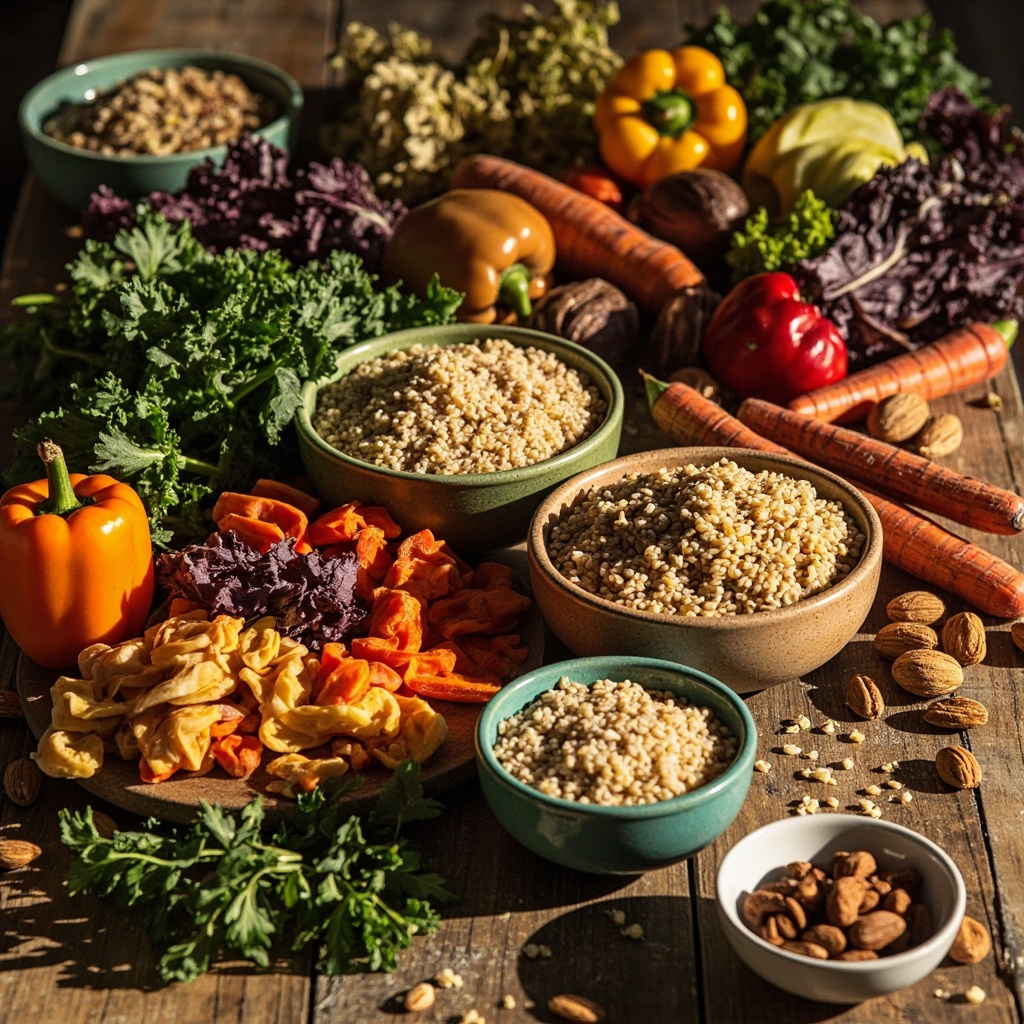
Roasted Root Vegetable Bowl: Cube sweet potatoes, carrots, and beets. Toss with olive oil, rosemary, and black pepper. Roast at 400°F for 35 minutes. Serve over farro or brown rice with a tahini drizzle.
Pumpkin Lentil Soup: Sauté onion and garlic, add canned pumpkin, red lentils, vegetable broth, and smoked paprika. Simmer 25 minutes. Rich in magnesium, iron, and fiber — all linked to mood stability.
Citrus and Walnut Salad: Mixed greens, segmented oranges, toasted walnuts, red onion, and a light olive-oil-and-lemon vinaigrette. Ready in ten minutes; provides omega-3s, vitamin C, and folate in one bowl.
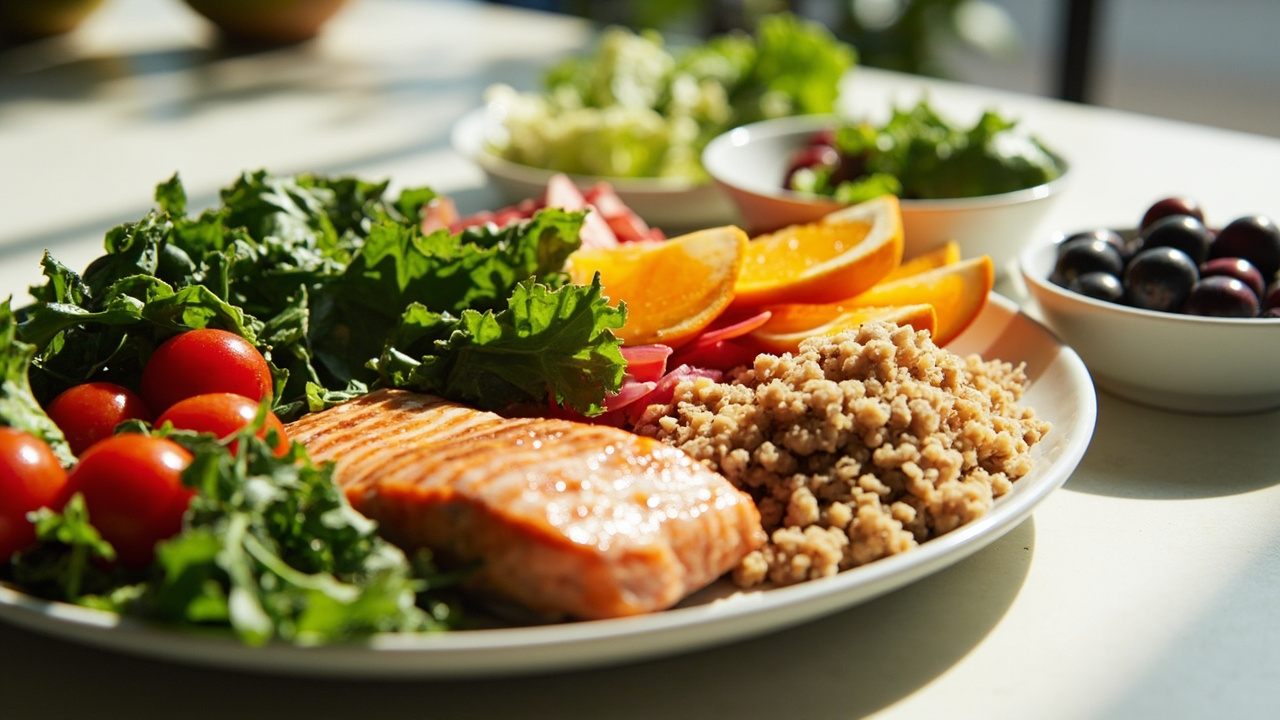
Baked Salmon with Wilted Spinach: Season a salmon fillet with lemon zest, garlic, and dill. Bake at 375°F for 15 minutes. Serve over spinach wilted with olive oil and crushed red pepper.
When Comfort Food Becomes a Problem
Occasional indulgence is not a clinical issue — it is a normal part of a healthy relationship with food. The concern arises when ultra-processed, high-sugar foods become the primary mood-management tool, crowding out nutrient-dense options and deepening the seasonal low that prompted the craving in the first place.
Cleveland Clinic dietitians note that highly processed foods trigger brief dopamine spikes followed by crashes that worsen mood over time. The pattern is self-reinforcing: poor mood drives junk food cravings; junk food worsens mood. Breaking the cycle requires substituting — not eliminating — comfort foods, replacing processed options with whole-food equivalents that deliver similar sensory satisfaction.
If dietary changes alone are insufficient and winter depression is significantly impairing daily function, the American Psychiatric Association recommends consulting a healthcare provider about light therapy, cognitive behavioral therapy, or pharmacological options alongside nutritional intervention.
When to See a Registered Dietitian
A registered dietitian (RD) can design a winter eating plan that accounts for individual preferences, budget constraints, and any underlying health conditions. This is especially valuable for people with a history of disordered eating, where the pressure to "eat healthy" can itself become a source of anxiety. An RD provides personalized guidance rather than generic prescriptions, making sustainable change significantly more achievable.
Bottom Line
Winter comfort eating and healthy eating can coexist. The science reviewed in Frontiers in Psychology and the practical guidance from Henry Ford Health's Ashlee Carnahan both point to the same conclusion: nourishing your body with omega-3-rich fish, complex carbohydrates, vitamin-D sources, and antioxidant-dense produce is not a sacrifice — it is the most effective strategy available for sustaining mood, energy, and mental clarity through the coldest months of the year. Start with one substitution this week, and build from there.
Sources referenced
- The Role of Diet, Eating Behavior, and Nutrition Intervention in Seasonal Affective Disorder — Frontiers in Psychology (2020) (https://www.frontiersin.org/journals/psychology/articles/10.3389/fpsyg.2020.01451/full) informed this article's reporting and source checks.
- Mood-Boosting Food For Winter — Henry Ford Health (January 2026) (https://www.henryford.com/blog/2026/01/mood-boosting-winter-foods) informed this article's reporting and source checks.