The Six Nutrition Trends Defining 2026
TL;DR: The dominant nutrition story of 2026 is this — GLP-1 weight-loss medications are restructuring consumer demand toward nutrient-dense, high-protein, high-fiber foods, while parallel shifts toward holistic healthspan thinking, precision nutrition, and sustainability are permanently altering how the food industry operates.
The newest verified data point, published on 21 April 2026 by Food Navigator, confirms that seven macro-forces are now simultaneously reshaping the global food and beverage market, with GLP-1 appetite-suppressing drugs sitting at the centre of the most disruptive change the packaged-food industry has seen in decades. According to Seven Biggest Nutrition Trends Shaping the Future of Food and Beverage, major manufacturers are reformulating entire product lines in direct response to these trends — not as a marketing exercise, but because sales data demands it.
Below is a section-by-section breakdown of each trend, the science behind it, and what it means for everyday eating decisions.
1. Holistic Healthspan: Eating to Live Better, Not Just Longer
The concept of healthspan — maximising the years spent in robust good health rather than simply extending lifespan — has moved from academic longevity research into supermarket aisles. As of March 2026, the Global Wellness Institute's Nutrition For Healthspan Initiative Trends for 2026 explicitly states that "consumers will prioritize preventative, multi-benefit solutions integrated into their daily routines." That is a measurable behavioural shift, not a forecast.
Practically, it means shoppers are choosing foods for what they actively do rather than what they avoid. Brain health, mitochondrial function, joint integrity, and immune resilience are now label-reading categories alongside saturated fat and sodium.
What Healthspan Eating Looks Like on a Plate
- Polyphenol-rich produce: Blueberries, dark leafy greens, and extra-virgin olive oil rank highest in anti-inflammatory compound density.
- Fermented foods: Kefir, kimchi, and miso support the gut–brain axis, a relationship increasingly linked to mood regulation and cognitive decline prevention.
- Protein adequacy across age groups: Research from 2025 cemented 1.2–1.6 g of protein per kilogram of body weight per day as the target for adults over 50 seeking to preserve muscle mass and metabolic rate.
2. GLP-1 Medications Are Rewriting the Food Market
No single development has altered the nutrition landscape more abruptly than the mass adoption of GLP-1 receptor agonists — drugs such as semaglutide (Ozempic, Wegovy) and tirzepatide (Mounjaro, Zepbound). Originally approved for type 2 diabetes management, these medications are now prescribed to tens of millions of people globally for weight management.
The dietary consequences are profound. According to OC&C Strategy Consultants' April 2026 analysis, GLP-1s and the Future of Food, GLP-1 users are eating smaller total volumes, gravitating toward high-protein and high-fiber foods, and dramatically reducing snacking frequency. Crucially, these users still need to meet micronutrient targets within a compressed caloric window — typically 1,200–1,600 kcal per day — making nutrient density non-negotiable.
How Food Companies Are Responding
The food industry's response, as tracked by Whole Foods Magazine in its February 2026 report What's Driving Functional Foods & Beverages in 2026?, includes:
- Higher-protein reformulations: Greek yogurt brands increasing protein content to 20+ grams per serving; ready-meal manufacturers switching to lean seafood and poultry bases.
- Viscous fiber additions: Ingredients such as psyllium husk, beta-glucan, and konjac are being added to snack bars and breakfast cereals to slow gastric emptying and complement GLP-1 mechanisms.
- Amino acid fortification: Products specifically targeting muscle preservation — a real clinical risk when caloric intake drops sharply — are one of the fastest-growing functional food subcategories of 2026.
Investors are watching: OC&C projects that GLP-1-aligned product segments will represent a $30 billion incremental market opportunity within the next five years.
3. Precision Nutrition: Your DNA and Wearables at the Dinner Table
Precision nutrition — the practice of tailoring dietary advice to an individual's genetic profile, microbiome composition, metabolic response, and real-time biometric data — has crossed from clinical research into consumer technology.
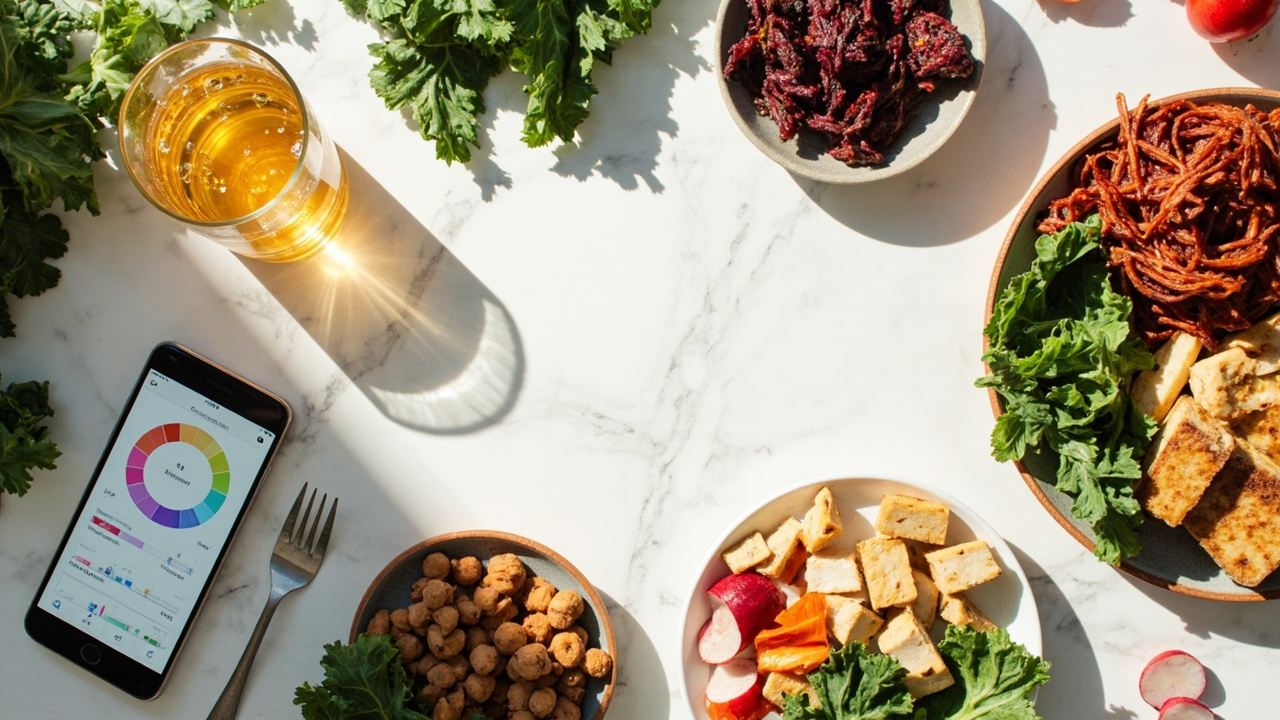
By early 2026, continuous glucose monitors (CGMs) are available without a prescription in most major markets, and at least a dozen apps can translate their output into meal recommendations updated hourly. AI platforms trained on millions of dietary records now generate personalised meal plans that account for post-prandial glucose spikes, sleep quality, and exercise load simultaneously.
Key Precision Nutrition Tools in 2026
- Continuous glucose monitors (CGMs): Brands including Supersapiens and Levels have consumer-facing versions that pair with nutrition apps.
- Microbiome sequencing: Companies like Zoe and Viome offer at-home gut profiling kits that generate food-specific recommendations, with 2025 peer-reviewed data supporting personalised fibre advice.
- Nutrigenomic panels: SNP testing targeting genes like MTHFR (folate metabolism), APOE (cardiovascular risk), and FTO (obesity predisposition) is now standard in many corporate wellness programmes.
4. Fiber as the Macro of 2026
If protein was the dominant macronutrient story of 2023–2025, fiber is its 2026 successor. Only about 5% of Americans currently meet the recommended 25–38 grams of dietary fiber per day — a statistic cited repeatedly in the Global Wellness Institute's March 2026 healthspan report as "the most correctable nutritional deficit in the Western diet."
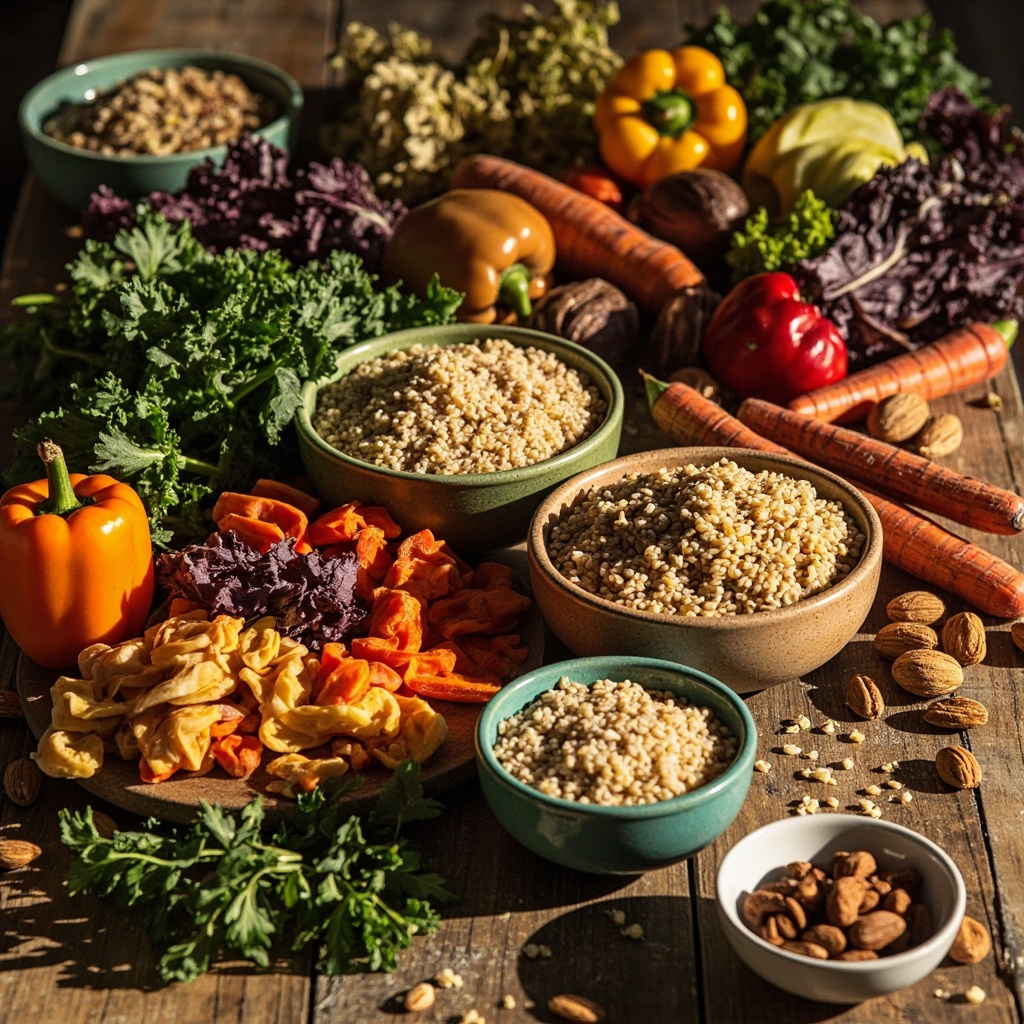
Legumes — beans, lentils, and chickpeas — are at the centre of this shift. They deliver simultaneously on fiber density (15+ grams per cooked cup), plant protein (18 grams per cup for lentils), prebiotic function, and carbon footprint reduction relative to animal protein. Sales of canned legumes in the United States rose 14% year-on-year in 2025, according to SPINS retail data cited by Food Navigator.
5. Sustainable and Conscious Eating
Sustainability has merged with personal health motivation in a way that makes them nearly inseparable for younger consumers. The 2026 Kline Group report Top Food & Nutrition Trends 2026 identifies "clean-label, minimally processed, ethically sourced" as the single fastest-growing product descriptor cluster in retail food.
This is not just altruism. Minimally processed foods consistently score higher on nutrient retention, lower on ultra-processed food (UPF) association with chronic disease, and better on satiety per calorie. The convergence of planetary and personal health incentives is making the sustainable-food argument easier for consumers to act on.
The Non-Alcoholic Beverage Revolution
Alcohol consumption among adults under 40 has declined every year since 2020. In 2026, the non-alcoholic spirits and functional beverage category — including adaptogen drinks, nootropic tonics, and botanical mocktails — is projected to exceed $15 billion in global retail value. Products formulated with ashwagandha, lion's mane mushroom, and L-theanine are positioning themselves as mood-enhancing, stress-reducing alternatives that fit squarely within the holistic healthspan framework.
6. Food as Preventive Medicine
The thread connecting all six trends is a single philosophical shift: food is no longer primarily a pleasure product or a fuel source — it is preventive infrastructure. Registered dietitians and physicians are increasingly issuing food prescriptions, and insurance reimbursement for medical nutrition therapy expanded in the United States in January 2026 under updated Medicare guidelines.
The data from Nutrition Insight's industry analysis on GLP-1 nutrition innovation shows ingredient companies — including Novonesis, Ingredion, and ofi — investing heavily in bioactive compounds that bridge pharmaceutical and nutritional mechanisms, blurring the boundary between food and medicine in regulatory and commercial terms.
What This Means for Your Shopping Cart Right Now
The practical upshot of all six trends can be condensed into four evidence-based habits:
- Prioritise protein at every meal — aim for 25–35 grams to trigger muscle-protein synthesis and sustain satiety.
- Double your fiber intake — add one cup of legumes per day and two additional portions of vegetables to close the fiber gap.
- Choose minimally processed whole foods — five ingredients or fewer on the label is a reliable proxy for nutrient density.
- Track at least one biometric — even a simple food-mood journal provides actionable data that generic dietary advice cannot.
The 2026 nutrition landscape is more scientifically grounded, more personalised, and more transparent than any previous era. The trends described here are not cyclical wellness fads — they are structurally driven by pharmaceutical innovation, climate science, and a generation of consumers who have grown up reading nutrition research directly online. Adapting to them now is simply evidence-based living.