TL;DR: Eight infections from one Listeria strain in Maryland, New York and Virginia — with seven hospital stays and one death — prompted a voluntary recall of all Clover Hill Dairy requesón/soft ricotta.
Federal and state health agencies linked a multistate cluster of invasive listeriosis to requesón-style soft ricotta made by Clover Hill Dairy of Mechanicsville, Maryland, and urged households, shops and restaurants not to eat, sell or serve the recalled cheese.
According to the CDC warns of Listeria outbreak linked to requesón/soft ricotta cheese, released for immediate distribution on June 5, 2026, eight people in three states became ill with the same strain. Seven required hospital care, and one Maryland resident died. The Maryland Department of Health suspended the dairy's operating license while a follow-up evaluation continued in cooperation with the facility. The Centers for Disease Control and Prevention and the Food and Drug Administration said work continued to determine whether additional products were connected.
According to the FDA MedWatch - Outbreak Investigation of Listeria monocytogenes: Soft Cheese (June 2026), sent June 5, 2026 at 12:49 p.m. EDT, the investigation as of June 4, 2026 covered a multistate, multiyear outbreak potentially tied to requesón. That bulletin gives the reporting window, interview results, distribution routes, label identifier and home-cleaning steps summarized below. Maryland's consumer advisory, issued June 3, 2026, provides matching product-identification and illness information.
What the case count shows
Investigators confirmed eight infections with the outbreak strain across Maryland, New York and Virginia.
Seven of the eight patients entered the hospital. One death was recorded in Maryland.
Epidemiologists described the illnesses as sharing a single strain of Listeria monocytogenes. Of seven patients who answered detailed food-history questions, five reported eating any cheese. Two of the seven, or 29%, reported eating requesón produced by Clover Hill Dairy.
Officials cautioned that confirmed reports can underrepresent foodborne outbreaks because some ill people recover without testing. At the time of the announcements, the agencies said they had not finished identifying every possibly affected product.
A multiyear reporting window
Sample collection dates for the outbreak strain extended from March 6, 2023 to May 9, 2026.
That span of more than three years does not mean all cheese from that period is implicated. It reflects the dates when patient specimens that later matched by laboratory analysis were gathered.
The active recall discussed on June 3 and June 5, 2026 covered cheese distributed from May 4, 2026 through May 30, 2026. The company said it had stopped making and shipping all cheese products while federal and state inquiries proceeded.
Regulators labeled the status of the outbreak inquiry as ongoing. No closure date or final cause determination had been announced by the cutoff for this report.
Which products were recalled
Clover Hill Dairy voluntarily recalled all soft ricotta/requesón cheese because of potential contamination with Listeria monocytogenes.
The company announcement dated June 5, 2026 said the action applied to every soft ricotta/requesón cheese it manufactured, not to a single lot code. Some varieties contained jalapeño or other flavorings.
Retail packages included individually packed clamshell tubs in ten-ounce, twelve-ounce and fourteen-ounce sizes carrying the Clover Hill Dairy Cheese brand name. Bulk cheese was also sold in five-gallon and two-gallon buckets to customers who repackaged it.
Repackaged bulk cheese could appear under distributor labels other than Clover Hill Dairy. Names listed as examples included KESSO, QUESOS LA RICURA, IZALCO, DE MI PUEBLO and RIO LINDO. Officials said the example list did not necessarily cover every distributor or label involved.
How to recognize the cheese
Packages, when available, should be checked for manufacturer information rather than relying on front-brand name alone.
The identifier to look for is Clover Hill Dairy manufacturer permit or plant number “24-128” on the product label. Maryland health officials advised buyers to inspect that field if the package retained it.
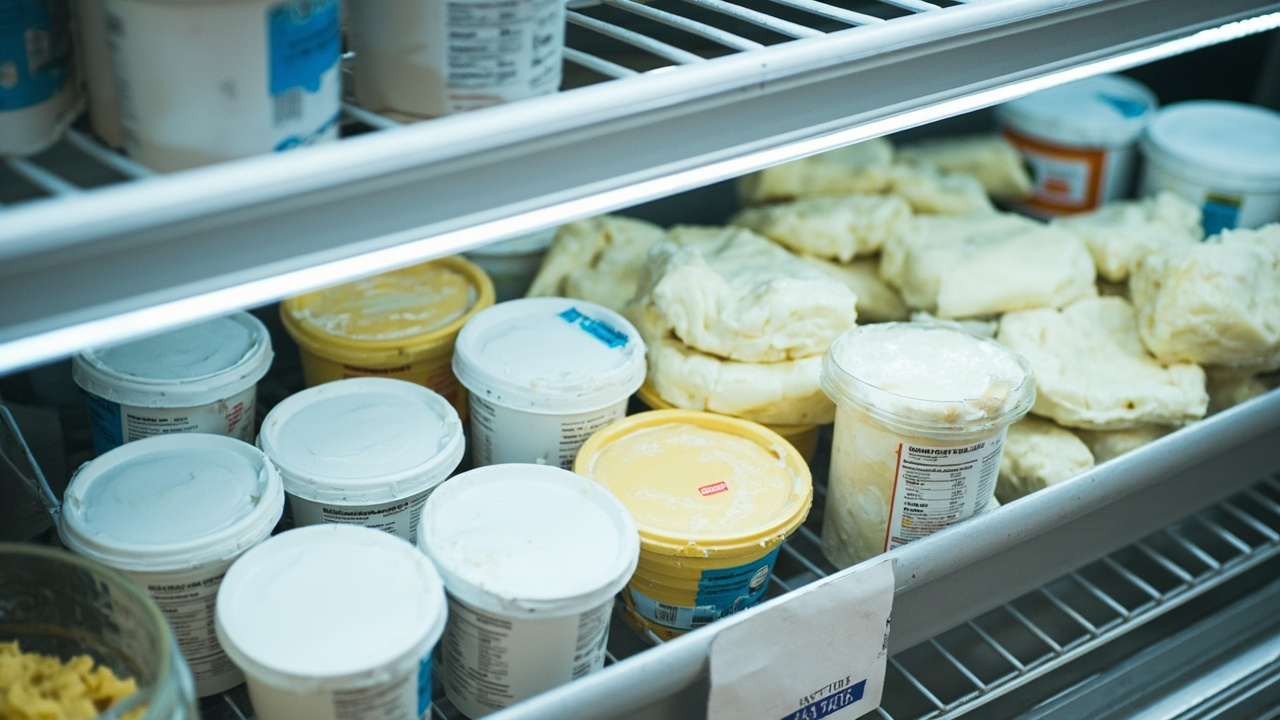
Requesón is described by federal officials as a soft cheese similar to ricotta. Photographs released with the Maryland advisory showed front labels of sample Clover Hill Dairy requesón/soft ricotta items, with a warning that images did not depict every affected product or distributor presentation.
Frozen cheese without original wrapping that cannot be confirmed as outside the recall should be discarded. That instruction applied to both household and commercial holders of the product.
Where the cheese was sold
The recalled cheese moved through bulk distributors, retail shops and direct-to-consumer sales.
The company listed distribution from May 4, 2026 through May 30, 2026 in North Carolina, New York, Virginia, Maryland, New Jersey and Washington, D.C.
Maryland officials separately described sales directly from the firm's retail market in Maryland, at farmers markets, and through third-party distributors including in New York and Virginia. Federal updates repeated those three channels and asked purchasers to verify manufacturer details because relabeling could obscure the origin.
Shoppers were told to return recalled Clover Hill Dairy soft ricotta/requesón in its original packaging to the place of purchase for a full refund. Questions were directed to the Southern Maryland Agricultural Development Commission, acting on behalf of Clover Hill Dairy, at 240-528-8850 extension 327.
Why soft cheese carries higher concern
Listeria monocytogenes is a disease-causing bacterium in the Listeria family that can develop where food-production sanitation lapses, according to Maryland health authorities.
The organism can survive and multiply under refrigeration. It can transfer readily to other foods and to kitchen surfaces. Household pets that consume contaminated food can also move the bacterium around the home.
Pasteurization destroys Listeria in milk, but soft cheese prepared from pasteurized milk can become contaminated after that heating step and still cause illness. For that reason, federal guidance flagged soft cheeses, even pasteurized versions, as a riskier selection, particularly for vulnerable consumers. Maryland guidance added that higher-risk shoppers should avoid soft cheeses produced with unpasteurized milk.
Who faces the greatest danger
Most healthy people who encounter Listeria do not develop severe disease, but three groups face substantially higher likelihood of invasive illness.
Those groups are people who are pregnant, adults aged 65 or older, and people with weakened immune defenses linked to certain medical conditions or therapies. Newborns, young children, frail older adults and others with reduced immunity were likewise described as especially susceptible.
In pregnancy, infection can trigger miscarriage, stillbirth, premature delivery, or life-threatening infection of the newborn. The pregnant person may experience only fever, fatigue, muscle aches and tiredness while the pregnancy remains at serious risk.
Among older adults and people with weakened immunity, infection often leads to hospitalization and sometimes death because the bacterium is more likely to spread beyond the gut to other body sites, producing invasive listeriosis.
Symptoms and timing to watch
Symptoms usually begin within two weeks after consuming contaminated food, but onset can occur as early as the same day or as late as ten weeks afterward.
Mild manifestations can include fever, muscle aches, nausea, tiredness, vomiting and diarrhea. Maryland officials noted that milder digestive and flu-like effects often persist for one to three days.
When severe listeriosis develops, signs can include headache, stiff neck, confusion, loss of balance and convulsions, alongside fever, muscle aches and tiredness. Pregnant patients may show fever, muscle aches and tiredness without prominent neurological signs.
Because illness can emerge up to two months after exposure, people who ate recalled cheese were advised to monitor for an extended period and contact a clinician promptly if compatible symptoms appeared. Anyone with questions about cases in a particular state was directed to that state's health department.
What households should do now
Do not eat recalled requesón/soft ricotta cheese.
Check refrigerators and freezers for recalled cheese and discard it. If cheese was frozen without its original package and its recall status cannot be verified, throw it away.
Carefully clean and sanitize any refrigerator shelves, containers, utensils or surfaces the cheese may have touched. Follow safe handling and cleaning practices to limit cross-contamination, since refrigerated temperatures will not eliminate the bacterium.
People at higher risk for severe disease — those who are pregnant, aged 65 or older, or immunocompromised — were told not to eat any queso fresco-type cheese, including soft ricotta/requesón. Consumers were also reminded that recalled cheese should not be fed to pets.
Anyone developing symptoms consistent with listeriosis after eating the product should contact a health care provider for evaluation and care.
What retailers, restaurants and markets must do
Do not sell or serve recalled requesón/soft ricotta cheese, including wholesale or bulk formats.
Remove the product from shelves, cold cases, preparation areas and storage. Wash and sanitize items and surfaces that may have contacted it.
Because bulk cheese may have been repackaged under other names, businesses were asked to review supplier records and manufacturer numbers, not only brand fronts. Any product containing Clover Hill Dairy requesón/soft ricotta should be disposed of rather than repurposed.
The Maryland Department of Health said suspension of the facility's operating license reflected the public-health risk, with a follow-up evaluation underway alongside the company. Clover Hill Dairy said production and distribution of all cheese products had ceased pending the continuing reviews by the Food and Drug Administration, the Maryland Department of Health and the firm.
What investigators said comes next
Federal officials said the central open question was whether products beyond the identified Clover Hill Dairy requesón were linked.
CDC and FDA teams, working with state and local partners, were reviewing epidemiologic interviews, purchase records and laboratory findings. The agencies said they would continue tracing distribution and testing hypotheses about additional exposures.
The Maryland Department of Health described its June 3 notice as the best information then available. Consumers seeking clinical detail were referred to the state's listeriosis fact sheet and to their own health care professionals.
Until investigators update the record, the standing advice remains unchanged: verify plant number 24-128, discard or return matching cheese, sanitize contact surfaces, and seek medical advice quickly if severe symptoms follow a recalled-cheese exposure.