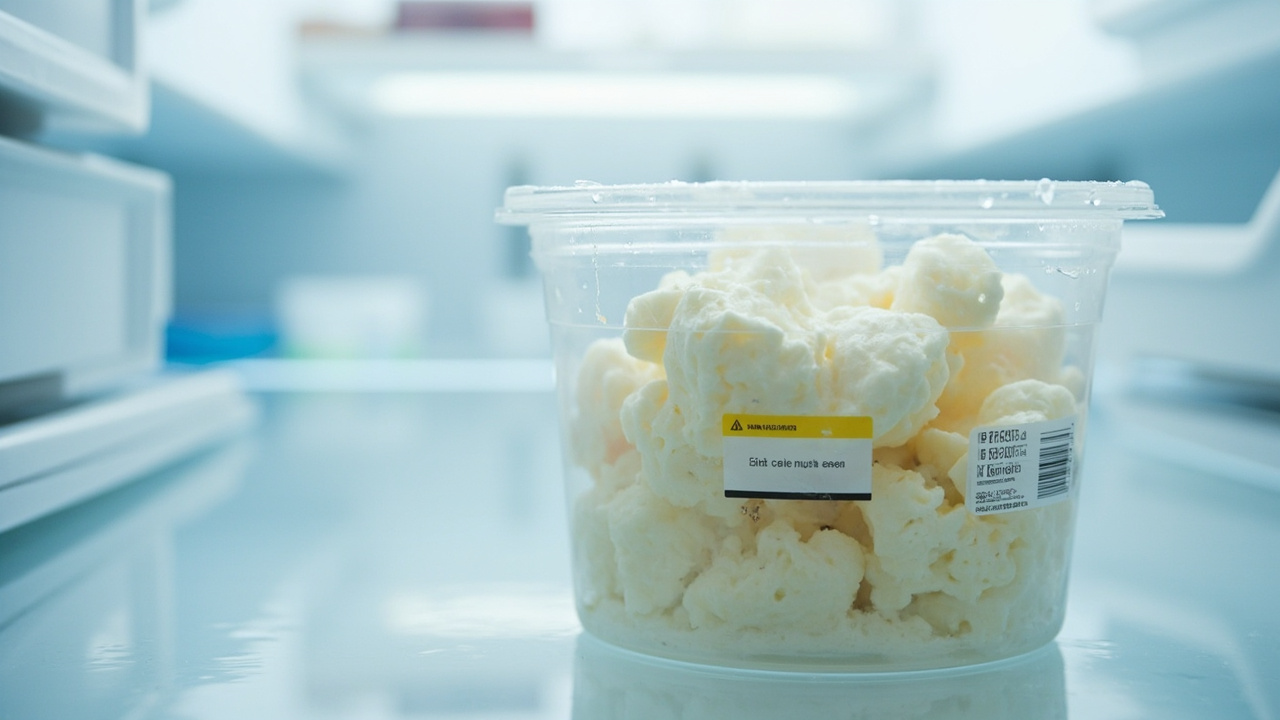
TL;DR: Federal investigators link a multistate Listeria outbreak to requesón cheeses supplied by Clover Hill Dairy, with 12 illnesses, 10 hospitalizations and 1 death across 4 states as of June 24, 2026, and active recalls in place as of June 29, 2026.
Federal health officials say soft-cheese Listeria infections remain under open investigation, and consumers should not eat, sell or serve recalled requesón.
According to the CDC Investigation Update: Listeria Outbreak, June 2026, epidemiologic, laboratory and traceback data show that some requesón cheeses supplied by Clover Hill Dairy are contaminated with Listeria monocytogenes and are making people sick. That June 29, 2026 update states the investigation is ongoing to determine the source of contamination and whether additional cheeses are linked to the outbreak.
Outbreak count stood at 12 as of June 24
According to the CDC investigation page, three new illnesses were reported since the prior epidemiologic update on June 15, 2026.
As of June 24, 2026, a total of 12 people infected with the outbreak strain were reported from 4 states, according to the CDC Investigation Update: Listeria Outbreak, June 2026.
Sick people's samples were collected on dates ranging from March 6, 2023, to June 2, 2026, according to that CDC update.
Of 12 people with information available, 10 had been hospitalized and 1 death had been reported from Maryland, according to the CDC investigation page.
The CDC's June 29, 2026 food-safety alert page, titled Listeria Outbreak Linked to Soft Cheese, lists the same Fast Facts: 12 cases, 10 hospitalizations, 1 death and 4 states.
That alert page lists Investigation status as Open and Recall issued as Yes, according to the CDC Listeria Outbreak Linked to Soft Cheese page.
Officials warn true case number is likely higher
The true number of sick people in this outbreak is likely higher than the number reported, and the outbreak may not be limited to the states with known illnesses, according to the CDC investigation update.
The reason given is that some people recover without medical care and are not tested for Listeria, according to the same CDC update.
In addition, recent illnesses may not yet be reported because it usually takes 3 to 4 weeks to determine if a sick person is part of an outbreak, according to the CDC investigation page.
The outbreak spans multiple years based on sample-collection dates, and federal officials describe it as a multistate outbreak of Listeria monocytogenes infections, according to the FDA recall announcement for La Ceiba Foods Latin Market Inc.
That FDA announcement states that FDA and CDC, in collaboration with state and local partners, are investigating a multi-state, multi-year outbreak linked to requeson manufactured by Clover Hill Dairy, LLC of Mechanicsville, MD.
The FDA page reports twelve illnesses and one death to date in connection with that investigation.
DNA fingerprinting links patients to cheese
Public health investigators are using the PulseNet system to identify illnesses that may be part of this outbreak, according to the CDC Investigation Update: Listeria Outbreak, June 2026.
CDC PulseNet manages a national database of DNA fingerprints of bacteria that cause foodborne illnesses, according to the same CDC update.
DNA fingerprinting is performed using whole genome sequencing, known as WGS, according to that CDC page.
WGS showed that bacteria from sick people's samples are closely related genetically, which suggests that people in this outbreak got sick from the same food, according to the CDC investigation update.
FDA and state partners collected and analyzed product and environmental samples, according to the CDC June 29 update.
Listeria was detected in six product samples of requesón cheese and in two environmental samples, according to that CDC update.
WGS showed that the Listeria in the cheese is the same Listeria in the sick people, according to the CDC investigation page.
La Ceiba recall on June 26 covered three retail products
On June 26, 2026, La Ceiba Foods Latin Market Inc. recalled certain requesón cottage cheese, and CDC advises people not to eat, sell or serve recalled cheese, according to the CDC investigation update.
According to the CDC Listeria Outbreak Linked to Soft Cheese page, the June 26 recall covered certain requesón marketed under the La Colonia and Selectos Latinos brands.
Recalled products were distributed to supermarkets, retail stores and restaurants in Maryland, Virginia and Washington, D.C., from May 11, 2026, to June 1, 2026, according to that CDC alert page.
The affected products listed are La Colonia Requeson Salvadoreno in 14-oz, Selectos Latinos Requeson Salvadoreno in 16-oz, and Selectos Latinos Requeson Mexicano in 16-oz, according to the same CDC page.
The FDA recall announcement for La Ceiba Foods Latin Market Inc. identifies the same distribution area of Maryland, Virginia and Washington, D.C., and the same distribution window of May 11, 2026, to June 1, 2026.
That FDA announcement lists Universal Product Codes 736846383099 for the 14-oz La Colonia Salvadoreno Requeson, 767787984526 for the 16-oz Selectos Latinos Requeson Salvadoreno, and 767787984519 for the 16-oz Selectos Latinos Requeson Mexicano.
The FDA page also lists Clover Hill Buket of Requeson in 18 lb, with the same distribution dates and an expiration date of July 10, 2026.
The FDA announcement states the recall includes all lots and batches within expiry for the listed products, with an expiration date of July 10, 2026.
This recall was initiated after La Ceiba Foods was notified of a recall action by its supplier, Clover Hill Dairy, following identification of possible contamination with Listeria monocytogenes in products manufactured at the facility, according to the FDA recall announcement.
Consumers are advised not to consume, sell or serve the recalled products, and products must be returned to the place of purchase for a full refund, according to that FDA announcement.
Clover Hill Dairy expanded recall on June 18
On June 18, 2026, Clover Hill Dairy expanded its recall to include all of its cheese products, according to the CDC Listeria Outbreak Linked to Soft Cheese page.
Those affected products were sold from its retail market, at farmers markets and through other distributors, according to the same CDC page.
They were distributed in North Carolina, New York, Virginia, Maryland, New Jersey and Washington, DC, and cheeses could have been further distributed to additional states, according to that CDC alert.
The cheeses may be relabeled under a different brand, and some brands could include Kesso, Quesos la Ricura, Izalco, De mi Pueblo and Rio Lindo, according to the CDC page.
The listed soft and semi-soft Spanish-style varieties include Cuajada, Soft Cuajada, Soft Cuajada in Brine, Soft Cuajada Crumbs and Ricotta/Requesón, according to the same CDC alert.
Listed mild varieties include Yummy Cheddar, White Cheddar, White Colby, Monterey Jack, Marble Jack, Fresh Cheddar Curd and assorted snack packs, according to that CDC page.
Listed hard-cheese varieties include Yummy Cheddar, White Cheddar, White Colby and Snack Pack Sharp Stix, according to the CDC alert.
Listed smoked cheddar varieties include Cheddar and White Cheddar, while flavored cheeses include Horseradish and Old Bay Cheddar, according to the same CDC page.
Listed pepper varieties include Jalapeno Cheddar, Pepper Jack, Sizzlin' Colby with Habanero Peppers and assorted pepper packs, and the smoked pepper category includes Jalapeno Cheddar, according to the CDC alert.
New York repack recall added in May window
Nelson & Isa Lacteos LLC of Bayshore, NY recalled requesón cheese sold in 1 lb plastic clam shells, according to the CDC Listeria Outbreak Linked to Soft Cheese page.
That cheese was sold in retail locations in New York from May 15 to May 28, 2026, according to the same CDC page.
It was likely repacked at retail store locations, and labeling or coding may vary based on location of purchase, according to that CDC alert.
CDC and FDA are working to identify any other products linked to this outbreak, according to the CDC food-safety alert page.
The alert instructs consumers who have any recalled products at home to throw them out or return them to the store.
Who faces the highest risk
Listeria is especially harmful if you are pregnant, 65 or older, or have a weakened immune system due to certain medical conditions or treatments, according to the CDC alert page.
If you are pregnant, infection can cause pregnancy loss, premature birth or a life-threatening infection in your newborn, according to that CDC page.
Other people can be infected with Listeria, but they rarely become seriously ill, according to the same CDC alert.
For people who are 65 years or older or who have weakened immune systems, Listeria often results in hospitalization and sometimes death, according to that CDC page.
Listeria is more likely to spread beyond the gut to other parts of the body in higher-risk groups, resulting in invasive listeriosis, according to the CDC alert.
The FDA recall announcement states that Listeria monocytogenes can cause serious and sometimes fatal infections in young children, older adults, pregnant women and people with weakened immune systems.
Healthy people may have short-lived symptoms such as high fever, severe headache, stiffness, nausea, abdominal pain and diarrhea, according to that FDA announcement.
Listeria infection can also lead to miscarriages and stillbirth in pregnant women, according to the same FDA announcement.
Symptoms can appear late
Symptoms usually start within 2 weeks after eating food contaminated with Listeria but may start as early as the same day or as late as 10 weeks after, according to the CDC Listeria Outbreak Linked to Soft Cheese page.
Pregnant women may have fever, muscle aches and tiredness, and illness may appear mild while still posing risks of pregnancy loss, premature birth and serious illness or death in newborns, according to that CDC page.
Other people may have headache, stiff neck, confusion, loss of balance and convulsions, in addition to fever, muscle aches and tiredness, according to the same CDC alert.
CDC advises higher-risk people who ate recalled cheese to call a healthcare provider right away if those symptoms develop, according to that CDC page.
What consumers should do now
Do not eat recalled cheese, and throw it away or return it to where it was bought, according to the CDC alert page.
Follow the CDC steps to clean the refrigerator, containers and surfaces that may have touched recalled cheese, according to that CDC page.
Listeria can survive in the refrigerator and can easily spread to other foods and surfaces, according to the same CDC alert.
If you are pregnant, 65 or older or have a weakened immune system, do not eat recalled cheese and be aware that soft cheese, even pasteurized ones, can be a riskier food choice, according to that CDC page.
The CDC page directs higher-risk consumers to its advice for choosing safer foods.
What businesses should do now
Do not sell or serve recalled cheese, according to the CDC Listeria Outbreak Linked to Soft Cheese page.
Businesses should wash and sanitize items and surfaces that may have come in contact with recalled cheese, according to that CDC alert.
Businesses that sold or served recalled cheese should follow FDA's safe handling and cleaning advice, according to the same CDC page.
Sources referenced
- Investigation Update: Listeria Outbreak, June 2026 | Listeria Infection | CDC (https://www.cdc.gov/listeria/outbreaks/soft-cheese-06-26/investigation.html)
- Listeria Outbreak Linked to Soft Cheese | Listeria Infection | CDC (https://www.cdc.gov/listeria/outbreaks/soft-cheese-06-26/)