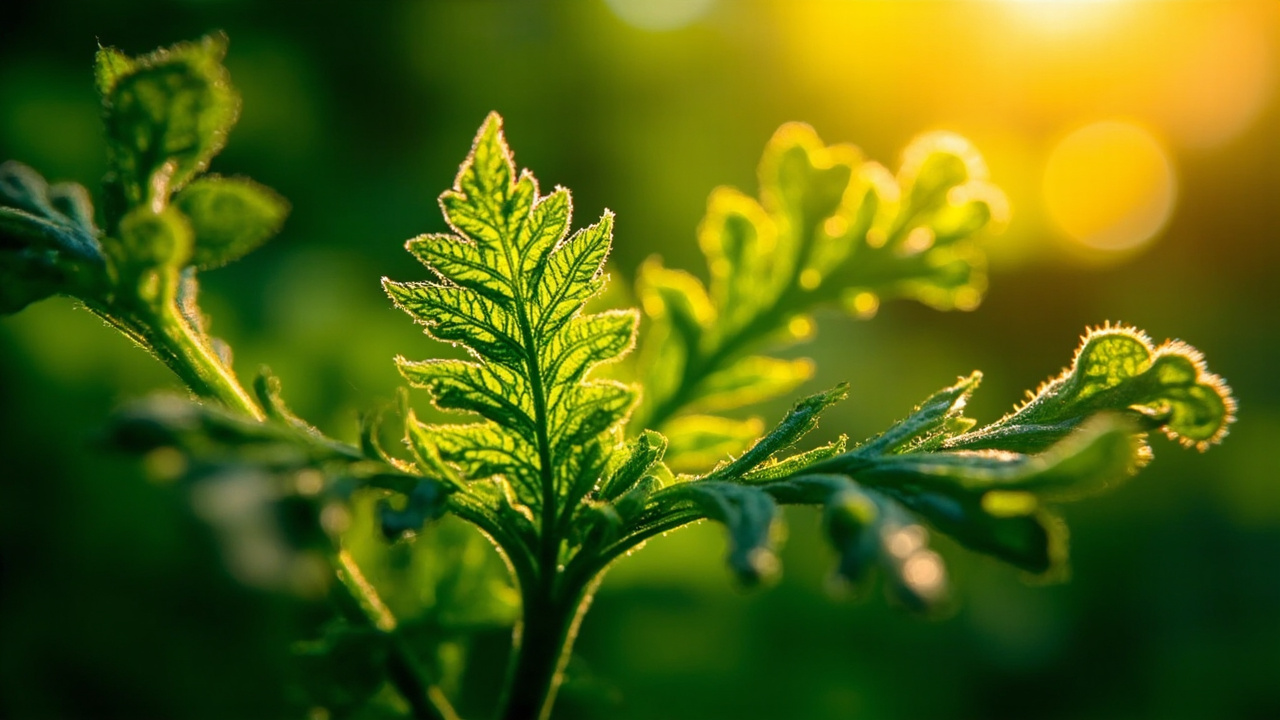
Nettle's Sting Is the Medicine: What the Science Says
TL;DR: The acute chemical sting from stinging nettle (Urtica dioica) trichomes—delivering histamine, acetylcholine, serotonin, and formic acid—triggers a localized counterirritant response that may genuinely relieve joint pain, boost circulation, and reduce chronic inflammation, according to multiple peer-reviewed studies.
If you have ever brushed against a stinging nettle plant, you know the sensation: immediate burning, redness, and an itch that can last hours. For most people, this is an accident to avoid. But a growing body of research, including a landmark randomized controlled trial published in the Journal of the Royal Society of Medicine in May 2000, suggests that the very chemicals responsible for that sting—histamine, serotonin, acetylcholine, and formic acid—may be exactly what makes nettle therapeutically valuable.
The mechanism is not mystical. It mirrors well-established medical concepts like counterirritant therapy, cupping, and topical liniments containing capsaicin or menthol. When the nettle trichome (the hollow, needle-like hair on the plant's surface) breaks off in skin, it injects a cocktail of bioactive compounds that immediately dilate local blood vessels, activate sensory nerve endings, and recruit immune cells to the area. The net effect can be a meaningful reduction in the perception of deeper, chronic pain—and a measurable increase in local blood flow.
What Is Inside a Nettle Sting?
The silica-tipped trichomes of Urtica dioica function like microscopic hypodermic needles. Each one stores and then delivers a complex mixture of compounds upon contact with skin:
- Histamine (up to 19 µg per trichome): Causes immediate vasodilation and the characteristic weal-and-flare reaction.
- Serotonin (5-HT): Sensitizes pain receptors and contributes to the burning sensation.
- Acetylcholine: Activates nicotinic and muscarinic receptors in skin, prolonging the local inflammatory signal.
- Formic acid: Originally identified in ant venom, it acts as a penetration enhancer and mild irritant.
- Sodium formate and other organic acids: Contribute to the acidic pH of the sting fluid.
A 2022 review published in Planta Medica confirmed these constituents and noted that the histamine content of nettle trichomes is among the highest of any plant, explaining the intensity of the reaction (Planta Medica, 2022).
The Counterirritant Mechanism Explained
The concept of counterirritant therapy dates to ancient medicine: apply a controlled, superficial irritant to skin overlying a painful area, and the nervous system modulates the perception of deeper pain. Modern pain science attributes this to several overlapping mechanisms:
- Gate Control Theory: Intense superficial stimulation activates large-diameter Aβ nerve fibers, which inhibit pain signals traveling via smaller C-fibers from deeper tissues.
- Diffuse Noxious Inhibitory Controls (DNIC): The brain responds to competing painful stimuli by globally suppressing pain sensitivity.
- Local vasodilation: Increased blood flow to inflamed joints can accelerate removal of inflammatory mediators such as prostaglandins and bradykinin.
- Substance P depletion: Repeated stimulation of sensory nerve endings via serotonin and acetylcholine can temporarily deplete substance P, a key neurotransmitter in chronic pain signaling.
This is the same rationale behind the use of capsaicin cream (which depletes substance P), menthol liniments (which activate cold-sensitive TRPM8 channels), and traditional cupping therapy (which induces a controlled bruise to stimulate local immune activity).
The 2000 RCT: Nettle Sting vs. Dead Nettle for Osteoarthritis
The most-cited clinical evidence comes from a randomized controlled trial by Dr. Randolph Randall and colleagues, published in the Journal of the Royal Society of Medicine in May 2000. The trial enrolled 27 patients with osteoarthritis at the base of the thumb or index finger. Participants applied either fresh stinging nettle (Urtica dioica) leaves or dead nettle (Lamium album, which lacks the active trichomes) to the painful joint daily for one week.
Results were striking. The stinging nettle group reported a statistically significant reduction in both pain (Visual Analogue Scale) and disability scores compared to the dead nettle control group. Crucially, the dead nettle control—which looks identical but does not sting—produced no comparable benefit, isolating the trichome-delivered chemicals as the active agents rather than any placebo or tactile effect.
According to the Journal of the Royal Society of Medicine study, "Stinging nettle may be an effective treatment for base-of-thumb osteoarthritis" and the authors called for larger trials. More than two decades later, that call remains partially unmet, but the mechanistic plausibility has only grown stronger.
Beyond the Sting: Oral Nettle and Systemic Anti-Inflammation
The therapeutic story of Urtica dioica does not end with topical stinging. When nettle leaves are cooked, dried, or processed into supplements and teas, the trichomes are deactivated—but a separate set of compounds still exerts anti-inflammatory effects systemically:
- Polyphenols and flavonoids (quercetin, kaempferol, caffeic acid): Inhibit pro-inflammatory enzymes COX-1, COX-2, and 5-lipoxygenase in vitro.
- Lectins (UDA, Urtica dioica agglutinin): Shown in laboratory studies to modulate T-cell activity and reduce pro-inflammatory cytokines including TNF-α and IL-1β.
- Beta-sitosterol: A plant sterol with documented effects on benign prostatic hyperplasia (BPH), recognized in a 1996 Lancet meta-analysis.
A 2013 study in Phytotherapy Research found that an ethanolic extract of Urtica dioica significantly reduced markers of inflammation in patients with rheumatoid arthritis when added to standard anti-inflammatory drug therapy, suggesting a genuine additive benefit rather than a placebo effect.
Urtication: The Traditional Practice Backed by Modern Research
"Urtication"—the deliberate act of beating painful joints with fresh nettle—is documented in European folk medicine going back at least to Roman soldiers who allegedly beat their legs with nettle to stay warm on cold British campaigns. The practice has been recorded in medical literature since the 17th century.
What was once dismissed as folk quackery now has a plausible mechanistic framework. The Planta Medica 2022 review specifically noted that "the local inflammatory response induced by Urtica dioica trichomes resembles the pharmacodynamics of approved topical counterirritants" and that the histamine-driven vasodilation may be clinically relevant in hypoperfused arthritic joints, where reduced blood flow contributes to cartilage degradation.
Physiotherapists in Germany and Austria still recommend urtication as a complementary treatment for knee and hip osteoarthritis, though it is not yet part of any mainstream clinical guideline in English-speaking countries.
Nutritional Profile: Nettle as a Functional Food
For those unwilling to deliberately sting themselves, cooked or dried nettle provides one of the most nutrient-dense green vegetables available:
| Nutrient | Per 100 g cooked nettle | % Daily Value |
|---|---|---|
| Vitamin K | 498 µg | 415% |
| Vitamin A (beta-carotene) | 2011 IU | 40% |
| Iron | 1.64 mg | 9% |
| Calcium | 481 mg | 48% |
| Magnesium | 57 mg | 14% |
Data sourced from the USDA FoodData Central database (FDC ID: 169998, updated April 2019).
Nettle tea and freeze-dried supplements are widely available and retain the flavonoid and lectin content responsible for systemic anti-inflammatory effects, without any sting risk.
Safety, Precautions, and Who Should Avoid Nettle
Topical urtication carries a low risk of serious harm in healthy adults. However, several cautions apply:
- Anticoagulant users: Nettle's high vitamin K content can interfere with warfarin (Coumadin) therapy. Patients on blood thinners should consult a physician before consuming large quantities.
- Diuretic effect: Oral nettle has a mild diuretic action. Individuals on diuretic medications should be monitored for electrolyte changes.
- Allergy: Rare cases of allergic contact dermatitis beyond the expected sting have been reported.
- Pregnancy: High-dose nettle supplements are not recommended during pregnancy due to potential uterotonic effects observed in animal studies.
For healthy adults using nettle as a food or herbal supplement at normal culinary doses, the safety profile is well-established and reassuring.
What This Means for Your Health Routine
The evidence base for stinging nettle—both topical and oral—is more rigorous than most herbal remedies. The counterirritant mechanism of urtication has a plausible neurophysiological explanation, one published RCT with significant results, and ethnobotanical use spanning two millennia. The nutritional value of cooked nettle competes with spinach and kale at a fraction of the price.
For people managing joint pain, particularly osteoarthritis of the hands, fingers, or knees, nettle-based approaches deserve serious consideration alongside, not instead of, conventional treatment. The Journal of the Royal Society of Medicine trial and the Planta Medica 2022 review together provide enough mechanistic and clinical evidence to justify including nettle in an integrative pain management conversation with a healthcare provider.
Researchers continue to call for larger, better-funded clinical trials. Until those arrive, the 2,000-year-old plant with the painful sting remains one of nutrition science's more compelling undervalued subjects.
Sources referenced
- Randomised controlled trial of nettle sting for treatment of base-of-thumb pain — Journal of the Royal Society of Medicine (2000) (https://journals.sagepub.com/doi/10.1177/014107680009300507) informed this article's reporting and source checks.