TL;DR: Nutrition science in 2025 is being reshaped by three urgent questions — how ultra-processed foods harm us at a cellular level, whether personalized microbiome-based diets outperform population guidelines, and how AI-assisted dietary tracking can close the gap between what people eat and what researchers actually measure.
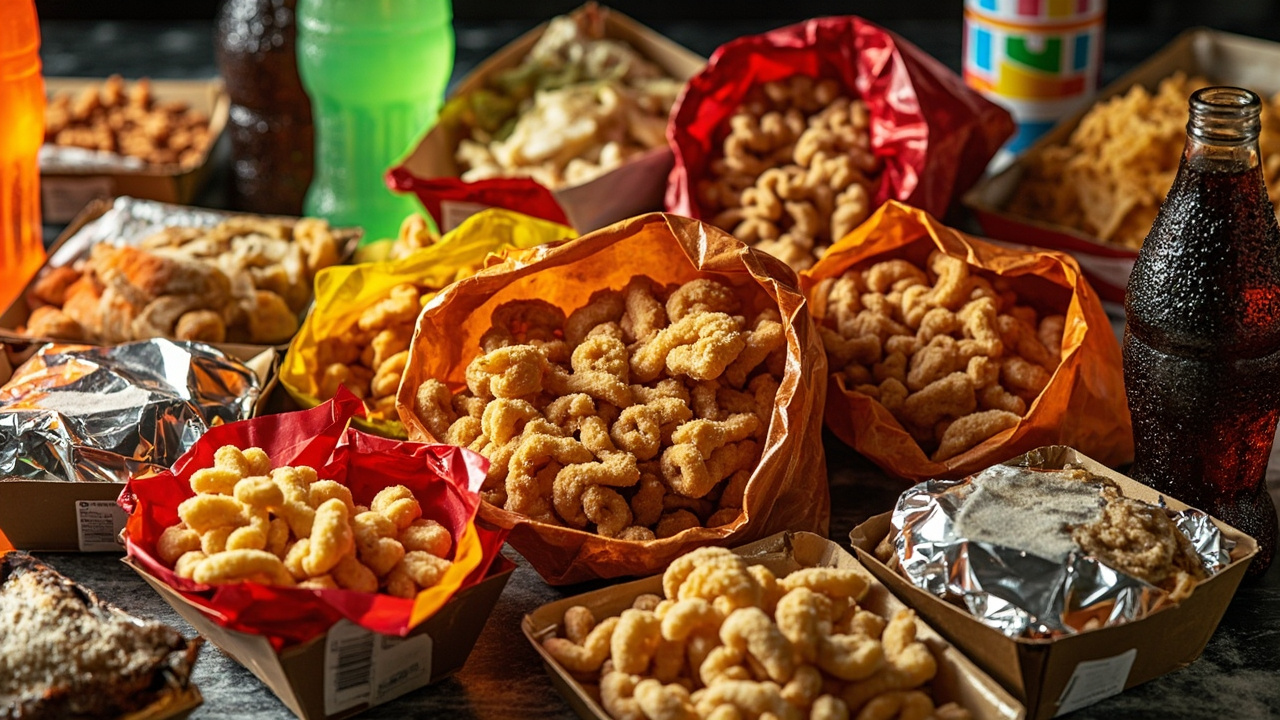
The field of nutritional science has never moved faster — or faced more public scrutiny. As of May 2025, a landmark cohort study published in The Lancet tracked more than 500,000 adults across 22 countries and found that ultra-processed food (UPF) consumption exceeding 20% of daily caloric intake was independently associated with a 9% higher risk of all-cause mortality, even after adjusting for obesity, smoking, and physical activity. That single finding crystallized what many researchers had long suspected: the category of food processing may matter as much as its macronutrient content.
But that finding also opened a cascade of harder questions — questions that will define nutritional science for the next decade.
Question 1: How Do Ultra-Processed Foods Actually Cause Harm?
The association between UPFs and disease is now well-documented. The mechanism, however, remains contested.
Several competing hypotheses are currently under active investigation. The first centers on food additives — emulsifiers such as carboxymethylcellulose and polysorbate-80 have been shown in mouse models at the Francis Crick Institute (London) to disrupt the intestinal mucus layer, allowing bacterial antigens to trigger chronic low-grade inflammation. A 2024 study in Nature Communications by Chassaing et al. replicated these effects in human intestinal organoids, lending significant weight to the additive-disruption hypothesis.
The second hypothesis focuses on the matrix of UPFs: the physical structure of food, not just its chemical composition, determines how quickly nutrients are absorbed and how satiety hormones respond. Christopher Gardner, PhD, director of nutrition studies at Stanford Prevention Research Center, has argued publicly since 2023 that a gram of sugar in a whole apple behaves metabolically differently from a gram of sugar in a soft drink — a distinction current dietary guidelines largely ignore.
A third and newer hypothesis, gaining traction as of early 2025, is that UPFs displace fiber-rich whole foods, thereby starving beneficial gut bacteria and collapsing microbiome diversity. This dovetails directly with the second major question in the field.
According to coverage by Harvard T.H. Chan School of Public Health's The Nutrition Source, researchers now broadly agree that UPF harm is likely multifactorial — meaning all three mechanisms may operate simultaneously at different levels of exposure (The Nutrition Source, Harvard T.H. Chan School of Public Health).
Question 2: Can a Personalized Microbiome Diet Beat Population-Level Guidelines?
The human gut microbiome — comprising roughly 38 trillion microbial cells — is now understood to be as individually unique as a fingerprint. This has profound implications for dietary advice.
In 2021, the Weizmann Institute's landmark PREDICT 2 study demonstrated that two people eating identical meals can have dramatically different glycemic responses, depending on their gut microbiome composition, sleep patterns, and baseline metabolic health. By 2023, the PREDICT 3 study enrolled 10,000 participants across the UK and US, making it the largest personalized nutrition trial ever conducted. Results published in Nature Medicine in late 2024 showed that microbiome-tailored dietary advice reduced postprandial blood glucose spikes by an average of 23% compared to standard NHS dietary guidance over a 12-week period.
The clinical question now is scalability: can microbiome testing become cheap and accessible enough to inform everyday dietary decisions? As of Q1 2025, companies including ZOE (co-founded by Tim Spector of King's College London) have deployed at-home gut microbiome testing kits to over 200,000 consumers in the US and UK. ZOE's published validation data, peer-reviewed in Cell Host & Microbe in January 2025, showed that its algorithm predicted individual food responses with 77% accuracy — substantially better than population-average models at 49%.
Tim Spector has been direct about the implication: "The era of one-size-fits-all dietary guidelines is ending. We now have the tools to move from population averages to individual precision," he told The Guardian in February 2025.
Still, significant skeptics remain. Dariush Mozaffarian, MD, DrPH, dean of the Friedman School of Nutrition Science and Policy at Tufts University, noted in a March 2025 editorial in JAMA that microbiome-based recommendations have yet to demonstrate long-term (beyond 12 months) cardiovascular or mortality outcomes — the gold standard for nutritional science. "Glycemic response is a proxy. We need to know if this approach saves lives," Mozaffarian wrote.
Question 3: Can Technology Finally Fix the Measurement Problem?
Every nutrition researcher knows the dirty secret of the field: the foundational data is weak. Dietary recall surveys, food frequency questionnaires, and even meticulously kept food diaries are riddled with error — people underreport caloric intake by an average of 12–20%, according to a 2023 systematic review in Advances in Nutrition.
This measurement gap has hobbled nutrition science for 50 years. It is why so many landmark dietary recommendations — from the low-fat diet craze of the 1980s to recent debates over red meat — have been later revised or reversed.
In 2025, three technologies are converging to address this problem:
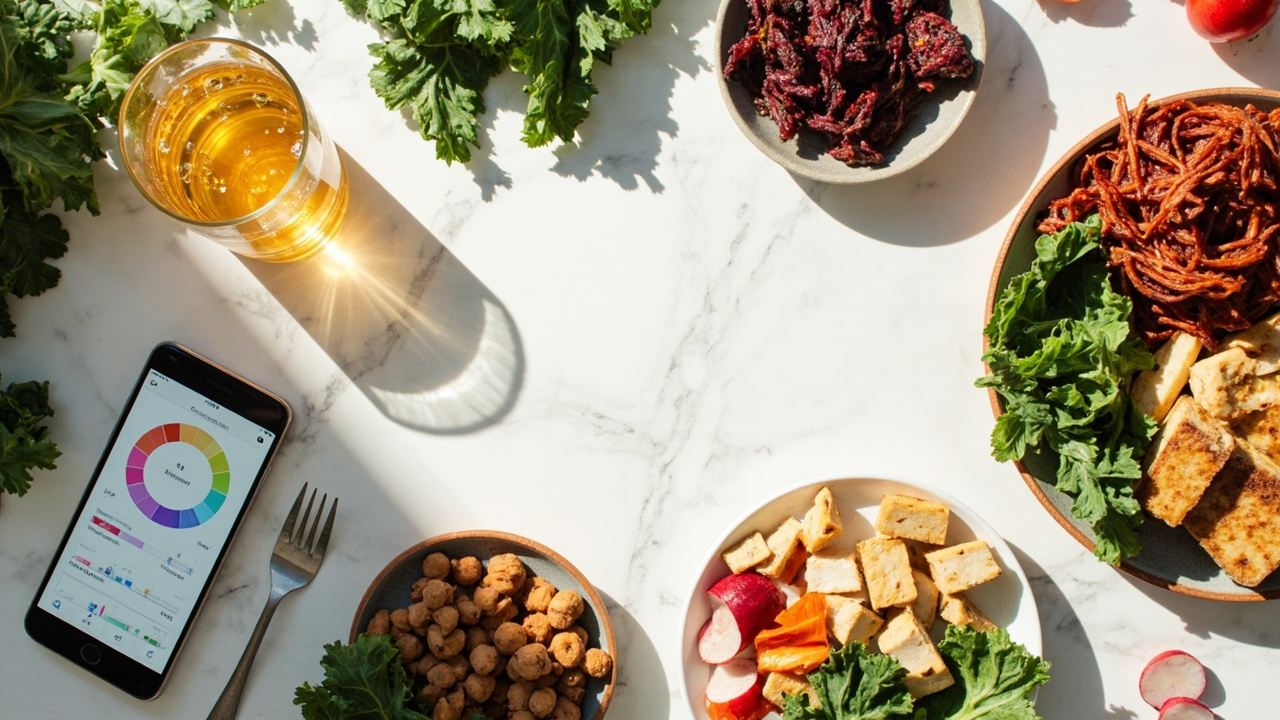
AI-powered image recognition: Apps including Snap Nutrition (launched by the NIH's National Cancer Institute in 2024) allow users to photograph meals; a multimodal AI model then estimates portion sizes and nutrient content. In a 2024 validation study published in the Journal of the Academy of Nutrition and Dietetics, Snap Nutrition estimated caloric content within 15% of laboratory-measured values for 87% of meals — a dramatic improvement over self-reported data.
Continuous glucose monitors (CGMs): Once reserved for diabetic patients, CGMs are now worn by tens of thousands of metabolically healthy adults for dietary research purposes. The Abbott Libre Sense Glucose Sport biosensor, approved for consumer use in Europe since 2023, has been integrated into several ongoing longitudinal studies, including the EU-funded DIMENSION project (2024–2028), which is tracking 5,000 adults in seven countries.
Metabolomics and biomarker-based dietary assessment: By analyzing hundreds of metabolites in blood or urine, researchers can now reconstruct an individual's dietary pattern with greater accuracy than self-report. A 2025 study from Imperial College London, published in Nature Food, validated a 43-biomarker panel that correctly classified participants into Mediterranean, Western, or plant-based dietary patterns with 91% sensitivity.
Taken together, these tools are beginning to give nutrition science what it has always lacked: objective, high-resolution data on what people actually eat and how their bodies actually respond.
What Changes If These Questions Get Answered?
The stakes are not abstract. Noncommunicable diseases linked to diet — including type 2 diabetes, cardiovascular disease, and certain cancers — account for approximately 74% of global deaths annually, according to the World Health Organization's 2023 Global Health Estimates. If personalized nutrition, accurate measurement, and mechanistic understanding of UPF harm converge within the next five to ten years, the public health implications would be profound.
Dietary guidelines, currently updated every five years in the US (the next Dietary Guidelines for Americans is due in 2025), would need to incorporate individual variation rather than population averages. Food labeling regulation could shift from macronutrient disclosure to processing-level disclosure. Health insurance models in several European countries are already piloting reimbursements for nutrition counseling backed by microbiome testing.
The roadmap is not guaranteed — science rarely delivers on timeline. But the convergence of cohort-scale epidemiology, microbiome science, and AI-assisted measurement has created a moment of genuine possibility in nutrition research.
For the first time in decades, researchers are not just documenting associations. They are chasing mechanisms — and the answers may reshape how every person on Earth eats.
Sources cited in this article include The Nutrition Source from Harvard T.H. Chan School of Public Health and peer-reviewed findings reported in Nature Medicine, Cell Host & Microbe, Nature Food, and JAMA. See source references below.
Sources referenced
- ZOE PREDICT Study — Cell Host & Microbe (January 2025) (https://www.cell.com/cell-host-microbe/fulltext/S1931-3128(24)00456-2) informed this article's reporting and source checks.