TL;DR: Nine STEC illnesses linked to beef kofta, sales paused May 18
TL;DR: California health officials announced May 22, 2026, that nine residents were infected with Shiga toxin-producing E. coli O157:H7 linked to grilled beef kofta at The Kebab Shop, and the chain paused sales of the product on May 18, 2026.
The California Department of Public Health announced Friday that it is investigating an E. coli outbreak linked to seasoned ground beef kebabs served at multiple locations of The Kebab Shop in Southern and Northern California, according to MyNewsLA.com. The department said nine California residents have been infected with the outbreak strain of Shiga toxin-producing E. coli O157:H7, commonly known as STEC. Illness onset dates ranged from March 27 through April 30. As of May 19, 2026, those nine residents remained the confirmed case count, according to Food Safety News. No deaths have been reported. No individuals from other states are currently linked to the outbreak.
Nine confirmed cases, including six children
Six of the nine illnesses involved children, according to MyNewsLA.com. Five people were hospitalized. Two developed hemolytic uremic syndrome, a severe complication that can lead to kidney failure. No deaths have been reported.
The age pattern places children at the center of this investigation. Six children among nine patients represents two-thirds of confirmed infections. Five hospitalizations among nine patients represents more than half of confirmed infections. Two cases of hemolytic uremic syndrome represent severe outcomes within a small cluster.
County-level detail shows two of the nine California residents were infected after eating at San Diego County locations, according to NBC 7 San Diego. One of those two victims was hospitalized but has since been released. Currently, no cases outside California are connected to the outbreak, the County said.
Illness window ran March 27 through April 30
Illness onset dates ranged from March 27 through April 30, according to MyNewsLA.com. The earliest illness began March 27. The latest started April 30. That window covers more than one month of potential exposures.
California public health officials are working with local health departments and federal partners to investigate the outbreak, according to Food Safety News. The state health department and partner agencies continue to investigate to identify the cause of the outbreak, monitor for additional ill persons, and conduct product testing. Current information suggests the implicated beef product was distributed only to The Kebab Shop.
Grilled beef kofta identified as likely source
Health officials said interviews with infected individuals indicated grilled beef kofta served at The Kebab Shop was the likely source of the outbreak, according to MyNewsLA.com. The product is described as seasoned ground beef kebabs. Health officials also described it as grilled beef kofta.
Investigators reached that determination after interviewing people who became sick, according to KTLA. Interviews with ill individuals indicated that grilled beef kofta served at The Kebab Shop is the likely outbreak source. The Kebab Shop is fully cooperating with public health officials.
The product link spans Southern and Northern California locations. California health officials announced Friday they are investigating an outbreak linked to seasoned ground beef kebabs served at multiple locations of the chain in Southern and Northern California, according to MyNewsLA.com. The Kebab Shop has multiple locations throughout San Diego County, from East Village to San Marcos, according to NBC 7 San Diego. The chain also has multiple locations in Orange and Los Angeles Counties and the Bay Area.
Chain paused sales nationwide on May 18
The restaurant chain voluntarily paused sales of grilled beef kofta at all locations Monday and is cooperating with the investigation, according to the California Department of Public Health as reported by MyNewsLA.com. CDPH said the chain voluntarily paused sales of grilled beef kofta at all locations on May 18, according to KTLA.
The company said it immediately stopped all sales of ground beef, described as beef kofta, nationwide on May 18, 2026, after CDPH linked the product as a potential source of the outbreak, according to KTLA. The company said that as a result, there is no ongoing risk associated with this issue. The company said all other proteins sold at The Kebab Shop come from different suppliers and are not associated with this issue. The company said restaurants inspected as part of the investigation confirmed their compliance with all health and safety regulations.
CEO Arian Baryalai issued a statement, according to NBC 7 San Diego. Baryalai said the company immediately stopped all sales of ground beef nationwide on May 18, 2026, after CDPH linked the product as a potential source. Baryalai said there is no ongoing risk associated with this issue. Baryalai said all other proteins sold at the chain come from different suppliers and are not associated with this issue. Baryalai said restaurants inspected as part of the investigation confirmed compliance with health and safety regulations.
Officials say exposure risk is not ongoing
“The risk of exposure to this product is not ongoing at this time,” the department said in a statement reported by MyNewsLA.com. While the investigation is ongoing, current information suggests the implicated beef product was distributed only to The Kebab Shop. CDPH and partner agencies continue to investigate to identify the cause, monitor for additional ill persons, and conduct product testing.
The Kebab Shop posted a statement to its website listing actions taken since learning of the outbreak, according to KTLA. Those listed actions included stopping all sales of ground beef nationwide on May 18, 2026. Those listed actions included a statement that there is no ongoing risk associated with the issue. Those listed actions included a statement that all other proteins come from different suppliers and are not associated with the issue. Those listed actions included a statement that inspected restaurants confirmed compliance with health and safety regulations.
What San Diego County reported
Two of nine California residents were infected with STEC after eating at San Diego County locations of The Kebab Shop, according to NBC 7 San Diego. One of those victims was hospitalized but has since been released. County health officials are urging anyone who ate at The Kebab Shop between March 27 and April 30, 2026, and later became ill with stomach illness to get medical care right away, according to the San Diego County News Center tag page for E. coli.
Consumers who ate beef kofta from any location of The Kebab Shop and develop symptoms within 10 days were urged to contact a health care provider, according to NBC 7 San Diego. Consumers also were advised to discard any leftover grilled beef kofta from the restaurant chain.
Where The Kebab Shop operates
The Kebab Shop opened its first location in downtown San Diego in 2007, according to its website as reported by NBC 7 San Diego. The restaurant chain, headquartered in Poway, operates locations across California, according to Los Angeles Patch. The chain operates more than a dozen locations across California, according to FOX40.com.
Southern California locations listed by KTLA include Atwater Village at 2921 Los Feliz Blvd., Burbank at 515 N. Hollywood Way, Cerritos at 11529 South St., El Segundo at 460 N Pacific Coast Hwy, Encino at 17401 Ventura Blvd., Northridge at 19545 Nordhoff St., Ste 70, Santa Clarita at 19013 Golden Valley Rd., Ste 105, Torrance at 21211 Hawthorne Blvd., and Westlake Village at 3980 E. Thousand Oaks Blvd. Orange County locations listed by KTLA include Brea at 3405 E. Imperial Highway, Bldg. F, Costa Mesa at 1555 Adams Avenue, Cypress at 5247 Katella Ave., Ste. 160, Harvard Place in Irvine at 17655 Harvard Avenue, La Habra at 1401 W. Imperial Hwy, Ste. A, Los Olivos at 8687 Irvine Center Drive, Seal Beach at 12430 Seal Beach Blvd. #240, and Walnut Village in Irvine at 14431 Culver Drive.
Symptoms to watch within 10 days
Symptoms of STEC infection can include diarrhea, often bloody, vomiting and abdominal cramps, according to MyNewsLA.com. Symptoms generally begin three to four days after infection, according to CDPH as reported by MyNewsLA.com. Consumers should call their health care provider if they become sick with symptoms of STEC infection, including diarrhea, vomiting and stomach cramps, within 10 days of eating the product, according to KTLA.
Food Safety News reported that food contaminated with E. coli does not look, smell or taste bad. Anyone who ate at the implicated restaurants and developed symptoms should seek medical attention and tell their doctor about possible exposure. Specific tests are required to diagnose the infections, which can mimic other illnesses. Symptoms often include severe stomach cramps and diarrhea, which is often bloody. Some patients may also have a fever. Most patients recover within five to seven days. Others can develop severe or life-threatening symptoms and complications.
Why HUS matters for children and vulnerable groups
About 5 to 10 percent of those diagnosed with E. coli infections develop a potentially life-threatening kidney failure complication known as hemolytic uremic syndrome, according to Food Safety News. Symptoms of HUS include fever, abdominal pain, feeling very tired, decreased frequency of urination, small unexplained bruises or bleeding, and pallor. Many people with HUS recover within a few weeks, but some suffer permanent injuries or death.
This condition can occur among people of any age but is most common in children younger than five years old because of their immature immune systems, older adults because of deteriorating immune systems, and people with compromised immune systems such as cancer patients, according to Food Safety News. People who experience HUS symptoms should immediately seek emergency medical care. People with HUS will likely be hospitalized because the condition can cause other serious and ongoing problems such as hypertension, chronic kidney disease, brain damage, and neurologic problems.
What to discard and how to handle ground beef
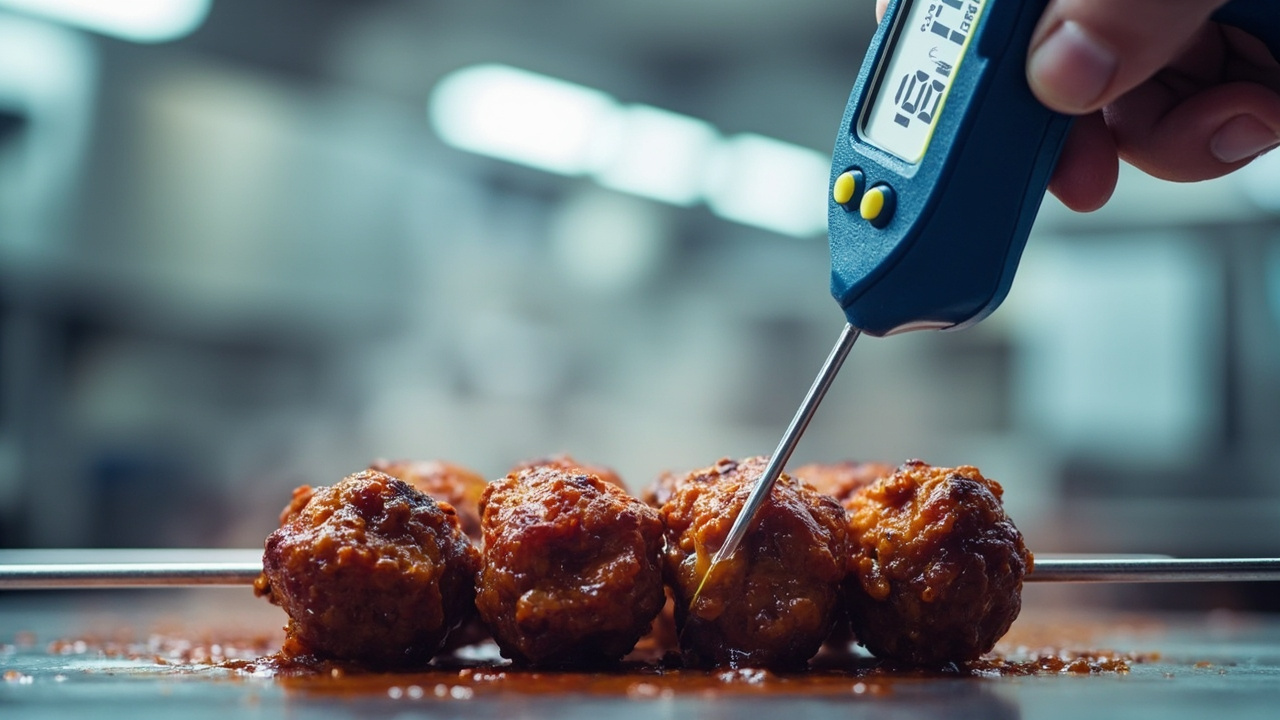
Consumers also were advised to discard any leftover grilled beef kofta from the restaurant chain, according to MyNewsLA.com. Health officials also reminded consumers to cook ground beef to an internal temperature of 160 degrees. Health officials also reminded consumers to wash and sanitize surfaces or utensils that may have come into contact with raw or undercooked beef.
The Kebab Shop is closely coordinating with public health authorities and established a number for guests to call at 888-965-5821 from 10 a.m. to 9 p.m. PT, Monday through Friday, and throughout the Memorial Day weekend, May 23–24, 2026, according to Los Angeles Patch. Guests may also email [email protected], according to NBC 7 San Diego. Baryalai said the company is closely coordinating with public health authorities.
Investigation continues with product testing
CDPH and other agencies continue to investigate the outbreak and are monitoring for additional people who may have fallen ill, according to KTLA. The agencies continue work to identify the cause of the outbreak, monitor for additional ill persons, and conduct product testing, according to MyNewsLA.com. The Kebab Shop did not immediately respond to a request for comment from MyNewsLA.com, while separate statements from CEO Arian Baryalai were later published by NBC 7 San Diego and Los Angeles Patch describing cooperation, the May 18 sales pause, and a single-supplier link for ground beef previously used at restaurants.
Sources referenced
- Health Officials Investigating Kebab Shop E. Coli Outbreak - MyNewsLA.com (https://mynewsla.com/orange-county/2026/05/22/health-officials-investigating-kebab-shop-e-coli-outbreak/)
- E. coli outbreak linked to California restaurant - Food Safety News (https://www.foodsafetynews.com/2026/05/e-coli-outbreak-linked-to-california-restaurant/)