TL;DR: The jambalaya fundraiser outbreak in Columbia, Louisiana, was a two-pathogen foodborne illness event that state health officials linked to 158 cases and 40 hospitalizations, with Salmonella and Clostridium perfringens both identified in patients.
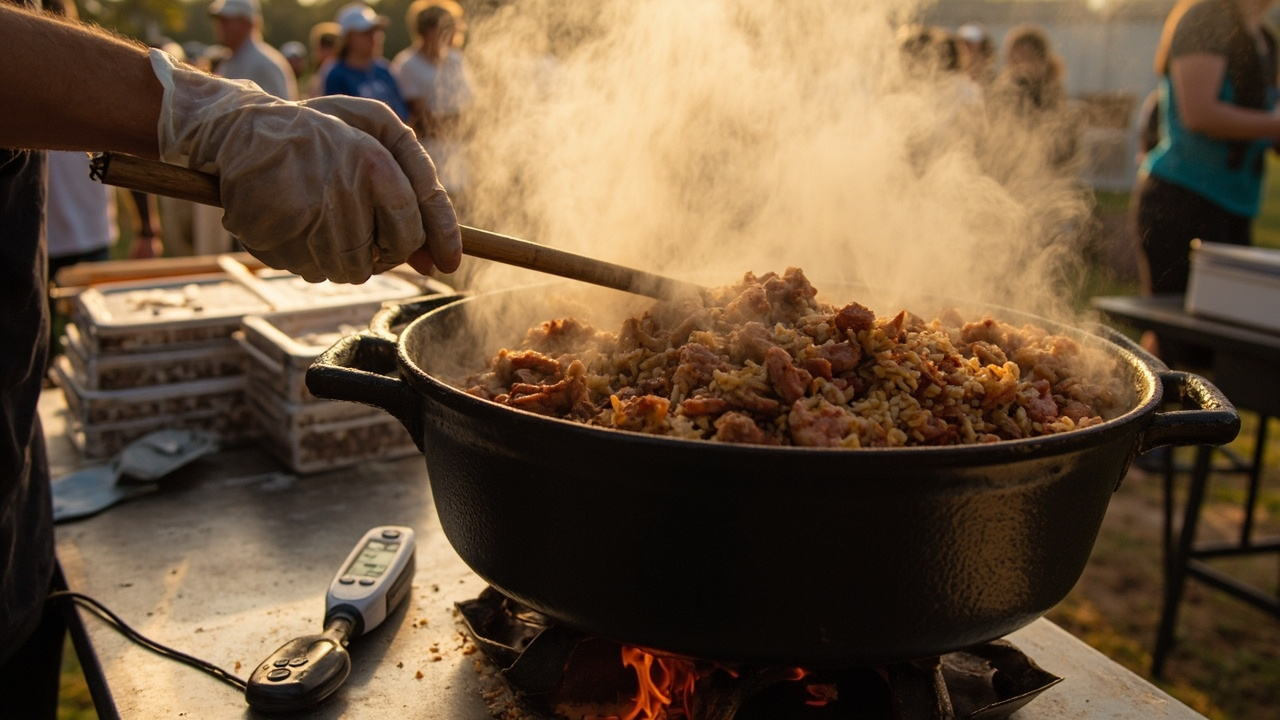
The "mass illness" in Columbia, Louisiana, came from one fundraising meal, and investigators found two bacteria behind it. Chicken and sausage jambalaya sold at a softball fundraiser on Oct. 16, 2017, was the suspected cause from the start, and on Nov. 7, 2017, the Louisiana Department of Health confirmed the outbreak came from jambalaya sold at that fundraiser, KNOE reported. The department's count reached 158 cases of gastrointestinal illness and 40 hospitalizations, with patients ranging from 10 to 82 years old and an average age of 37, according to The Advocate's report on the state's Oct. 23, 2017 update.
Salmonella surfaced first: samples from five people tested positive for the bacterium by Oct. 19, the health department said. A day later, Dr. Parham Jaberi, the state's assistant health officer, said a second organism had been identified — Clostridium perfringens, a bacterium commonly found on raw meat and poultry — The News-Star reported.
How the case count climbed
The fundraiser took place in Columbia, a town of roughly 400 people in Caldwell Parish, where about 10,000 people live, Food Safety News reported. People in and around the town began reporting illness on the evening of Monday, Oct. 16, and the state's tally rose through the week.
The health department's first public count, released Oct. 19, listed 49 confirmed cases and 31 hospitalizations and said at least 300 people had been served the jambalaya. That release also disclosed one death and said an autopsy would establish whether the illness caused it.
By Oct. 20 the count stood at 125 cases and 37 hospitalizations, Food Safety News reported. The department's Oct. 21 update listed 149 cases. By Oct. 23 it reported 158 cases and 40 hospitalizations, most of the patients already discharged, The Advocate reported. Many businesses in Columbia were short-staffed because of the outbreak, Mayor Richard Meredith told The News-Star of Monroe.
Two bacteria, two timelines
Salmonella symptoms usually begin within six to 72 hours of exposure, can appear up to a week later, and commonly last four to seven days, the Louisiana Department of Health said. Diarrhea, abdominal pain and fever are typical. Clostridium perfringens tends to act faster — symptoms can appear as soon as six hours after eating and take as long as a few days — and usually brings diarrhea and cramping without the vomiting or fever that Salmonella often causes, Food Safety News reported.
Jaberi said the organisms release a toxin once they are ingested, which is why people became ill within fewer hours of eating. He cited community reports that many residents fell ill within 12 hours of the jambalaya and said a high majority of people who ate the dish became ill.
"Usually these symptoms are more severe, which could explain why some of the people in the community are really going to the hospital," Jaberi said, according to The News-Star.
Wenqing Xu, a food safety expert at the LSU AgCenter, said Clostridium perfringens "can reproduce rapidly and grows faster than most foodborne pathogens."
Dehydration is the shared risk: people infected with either bacterium frequently need hospital care for it, Food Safety News reported.
Why one pot was so hard to trace
Jambalaya complicates an investigation because it combines rice, vegetables, sausage and chicken, leaving investigators to work out which ingredient carried the bacteria, Xu said.
Testing reflected that. By Oct. 23 the state had tested 19 food samples; five were positive for Salmonella and results for the other 14 were pending, with samples sent to the Centers for Disease Control and Prevention for further testing, The Advocate reported. In November the department said more testing was under way to identify the ingredient responsible, KNOE reported.
Scale worked against the cooks as well: a batch prepared for a crowd can carry contamination from a few servings into hundreds, and food cooked ahead or served over hours can sit in the temperature range where Clostridium perfringens multiplies quickly, Food Safety News reported.
The rules that apply to any crowd cook
The LSU AgCenter said the outbreak highlights safe food handling and pointed to four principles that hold whether someone cooks for two people or 200: clean, cook, chill and separate.
Its guidance: wash hands, surfaces and utensils with hot soapy water; use a food thermometer to cook meat to proper temperatures; keep raw meat chilled until it is used; return perishable food to the refrigerator within two hours of preparing it; and keep raw foods away from cooked foods to prevent cross-contamination.
Xu added that big batches take longer to heat and to cool, and that more helpers can raise the cross-contamination risk.
The state's advice to anyone who had bought food from the fundraiser was to discard what had not been eaten, including side items that might have touched the jambalaya.
When illness needs a doctor
Most people recover from Salmonella without treatment, but older adults, infants and people with weakened immune systems carry the highest risk, the health department said. It listed warning signs that warrant contacting a doctor: dizziness when standing, dry mouth and throat, and very little urine — all signs of dehydration — along with prolonged vomiting that prevents keeping liquids down, bloody stools, diarrhea lasting more than three days without improvement, and diarrhea with a fever above 101.5°F.
What was never settled
A 56-year-old man, Duane Reitzell, died after eating the jambalaya, Food Safety News reported. The health department said it was working with the pathologist handling the autopsy and with the CDC to determine whether post-mortem testing could be performed, and it had not attributed the death to the outbreak.
As of Nov. 7, 2017, the department was still investigating whether the death was related to the illness, KNOE reported.