The Bottom Line Up Front
Ultra-processed foods (UPFs) are not merely junk food — they are a systemic, documented public health crisis. As of 2023, more than 60% of the calories consumed by the average American come from industrially manufactured ultra-processed products. A landmark umbrella review published in The BMJ on February 28, 2024 — the most comprehensive synthesis to date, covering 45 meta-analyses and nearly 10 million participants globally — found that high UPF consumption is directly associated with 32 adverse health outcomes. These include a 50% increased risk of cardiovascular disease-related death, a 12% greater risk of type 2 diabetes per 10% increment of UPF intake, and a 48–53% higher risk of anxiety and common mental health disorders. Prevention, researchers conclude, must begin well before patients ever reach the clinic.
What Counts as Ultra-Processed?
The term "ultra-processed" comes from the NOVA classification system, developed by Brazilian epidemiologist Carlos Monteiro and colleagues at the University of São Paulo. NOVA ranks foods on a four-point scale based on the extent and purpose of industrial processing — not simply nutrient content.
UPFs (NOVA Group 4) are formulations made mostly from substances extracted from foods — refined starches, hydrogenated fats, sugars — combined with additives to enhance palatability, appearance, and shelf life. Common examples include:
- Carbonated soft drinks and flavored waters
- Packaged chips, cookies, and crackers
- Instant noodles and microwaveable meals
- Reconstituted meat products (hot dogs, nuggets)
- Flavored breakfast cereals and granola bars
- Mass-produced breads containing more than five ingredients
A critical distinction: the concern is not only what these foods contain — excess sugar, salt, saturated fat, additives — but what they lack: fiber, micronutrients, and the complex food matrix of whole ingredients that shapes digestion, satiety, and metabolism.
The Research Landscape: What the BMJ Umbrella Review Found
The most authoritative recent synthesis is the BMJ umbrella review published February 28, 2024 (DOI: 10.1136/bmj-2023-077310), led by Dr. Melissa Lane and colleagues. It analyzed 45 pooled meta-analyses drawing on data from nearly 10 million people across multiple continents.
Key findings from the BMJ umbrella review:
- Cardiovascular disease: A 50% increased risk of cardiovascular-related death and a 66% higher risk of heart disease in the highest UPF-consuming groups.
- Mental health: A 48–53% increased risk of anxiety and common mental disorders; a 22% higher risk of depression.
- Type 2 diabetes: A 12% greater relative risk per 10% increment in UPF intake.
- Obesity: Consistent associations with weight gain, abdominal adiposity, and metabolic syndrome.
- All-cause mortality: A 21% higher risk of premature death in the highest-consumption quartiles.
The authors rated the evidence on cardiovascular mortality and type 2 diabetes as "highly suggestive" — one level below certainty on the Bradford Hill criteria scale, a high bar given that long-term randomized controlled dietary trials are ethically and logistically difficult to conduct.
Metabolic Syndrome: The Hidden Epidemic Within the Epidemic
A separate systematic review and dose-response meta-analysis published in Frontiers in Nutrition (2023), conducted by Long Shu, Xiaoyan Zhang, and colleagues, quantified the relationship between UPF intake and metabolic syndrome — the cluster of high blood pressure, elevated fasting glucose, excess waist circumference, and abnormal lipids that predisposes individuals to heart attacks, stroke, and diabetes.
According to the Frontiers in Nutrition analysis (DOI: 10.3389/fnut.2023.1211797), individuals in the highest UPF consumption quartile were significantly more likely to meet criteria for metabolic syndrome than those in the lowest quartile. The dose-response curve was linear: each additional serving of UPFs per day incrementally raised metabolic risk, with no apparent safe threshold identified.
This finding carries enormous weight because metabolic syndrome now affects approximately 1 in 3 American adults, according to the American Heart Association's 2023 statistics update. Dietary patterns remain the single most modifiable contributing factor.
How UPFs Harm Health: Four Biological Mechanisms
Epidemiological associations gain credibility when plausible mechanisms are identified. Current evidence points to four interlocking pathways:
1. Hyper-Palatability and Overconsumption
UPFs are engineered to override normal satiety signals. A 2019 National Institutes of Health randomized controlled trial led by Dr. Kevin Hall found that participants on an ultra-processed diet consumed an average of 500 extra calories per day compared to a matched whole-food diet — even when both groups had unrestricted access to food and nominally equal caloric availability.
2. Gut Microbiome Disruption
Emulsifiers, artificial sweeteners, and preservatives commonly found in UPFs alter the composition of the gut microbiome. Disrupted microbial diversity is associated with increased intestinal permeability, systemic inflammation, insulin resistance, and altered mood signaling via the gut-brain axis.
3. Nutrient Displacement
High UPF intake crowds out whole foods. People eating more packaged, processed products automatically consume less fiber, fewer polyphenols, and lower levels of vitamins and minerals — independent of total calorie intake. This nutrient displacement amplifies the harm beyond any single ingredient.
4. Glycemic Volatility
The rapid digestibility of refined starches and added sugars in UPFs causes sharp blood glucose and insulin spikes. Over time, this pattern contributes to insulin resistance, pancreatic beta-cell stress, and the eventual onset of type 2 diabetes — consistent with the dose-response relationship documented in the BMJ umbrella review.
Global Policy Responses: Who Is Acting?
Several nations have moved from research to regulation:
- Brazil (January 2014): The Ministry of Health's Dietary Guidelines for the Brazilian Population became the first national guidelines to use the NOVA framework, explicitly advising citizens to avoid ultra-processed foods.
- Chile (June 2016): Black octagonal warning label law (Law 20.606) mandated front-of-pack "ALTO EN" (high in) labels on packaged foods exceeding thresholds for sugar, sodium, saturated fat, or calories. Studies found children's UPF purchases declined an estimated 24% within two years.
- Mexico (October 2020): Adopted similar front-of-pack warning labels, with early evidence of consumer behavior change among frequent shoppers.
- United Kingdom (2022–2024): The government's National Food Strategy explicitly discussed UPF reduction. Professor Tim Spector of King's College London has publicly called for treating UPFs as a public health priority comparable to tobacco.
- United States: No federal UPF-specific policy exists as of mid-2025. However, the FDA's ongoing Nutrition Innovation Strategy includes front-of-pack labeling proposals that public health advocates say could meaningfully reduce UPF consumption if implemented.
What Individuals Can Do Right Now
While policy catches up with the science, dietary choices remain the most immediate lever available to most people. Evidence-based strategies include:
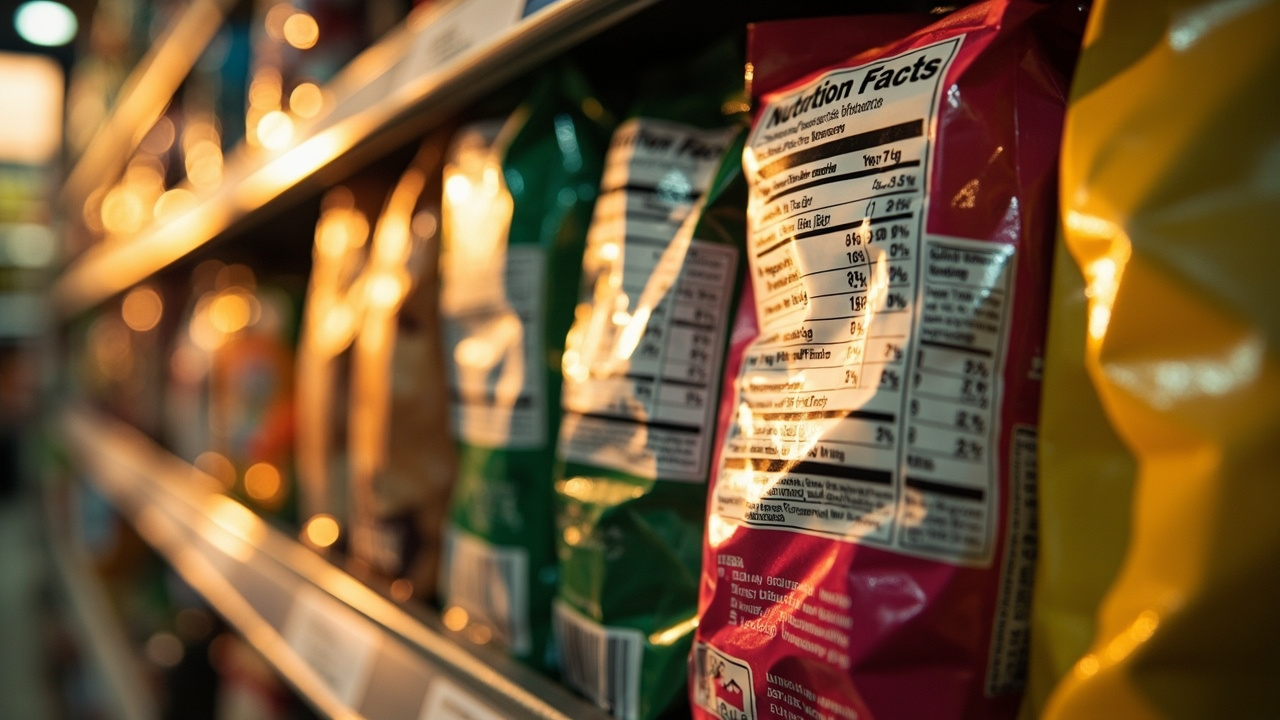
Read the Ingredient List, Not Just the Nutrition Facts Panel
If a product lists more than five ingredients and includes substances you would not find in a home kitchen — carrageenan, TBHQ, polysorbate 80, maltodextrin — it is almost certainly ultra-processed under the NOVA framework.
Cook More, Package Less
The NIH trial led by Dr. Kevin Hall demonstrated that replacing as few as two UPF-heavy meals per week with whole-food alternatives significantly reduced calorie intake and improved metabolic markers within just two weeks.
Prioritize Fiber-Rich Whole Foods
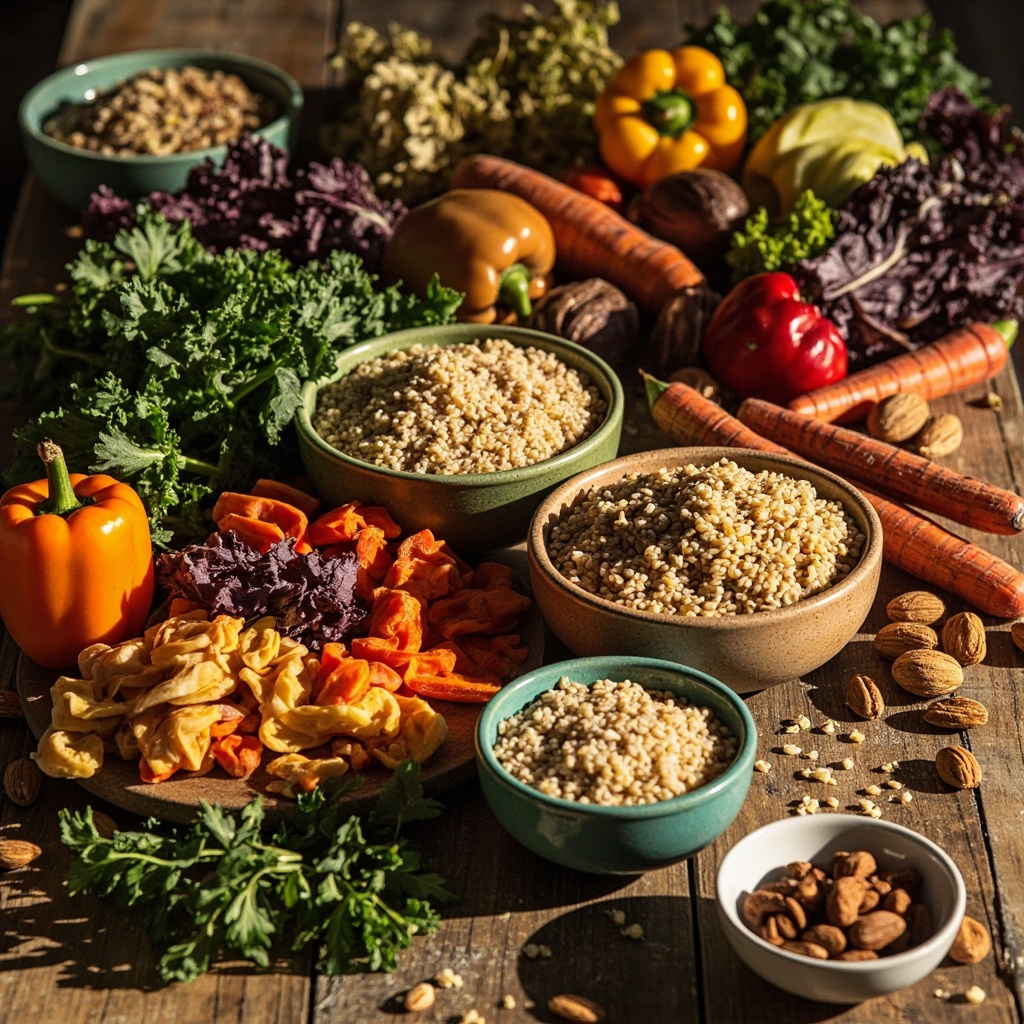
Fruits, vegetables, legumes, whole grains, nuts, and seeds all score in NOVA Groups 1–2 (unprocessed or minimally processed). Aiming for 30 different plant varieties per week — a target advocated by the American Gut Project — is associated with measurably greater microbiome diversity.
Be Skeptical of Health Branding
Many products marketed as healthy — protein bars, flavored yogurts, plant-based meat alternatives — qualify as ultra-processed under NOVA. A "high protein" or "low sugar" claim does not exempt a product from the Group 4 classification.
The Bigger Picture
The BMJ umbrella review's conclusion is stark: evidence linking UPFs to chronic disease is now "highly suggestive to convincing" across multiple outcomes. This is not a dietary fad debate. It is a structural food environment problem with documented, dose-dependent health consequences at population scale.
For the first time in human history, the majority of calories consumed in wealthy nations come not from food, but from food-like industrial products. The Frontiers in Nutrition dose-response data show no safe threshold — every additional UPF serving adds incremental risk. Reversing that trend will require both individual awareness and systemic policy reform. Researchers across continents, from São Paulo to London, agree: the time to act is now.
Sources referenced
- Ultra-processed food exposure and adverse health outcomes: umbrella review of epidemiological meta-analyses — The BMJ (2024) (https://www.bmj.com/content/384/bmj-2023-077310) informed this article's reporting and source checks.
- Ultra-processed food consumption and metabolic syndrome: a systematic review and dose-response meta-analysis — Frontiers in Nutrition (2023) (https://doi.org/10.3389/fnut.2023.1211797) informed this article's reporting and source checks.