TL;DR: The UN Is Putting a Price Tag on Hunger — and Demanding the World Pay Attention
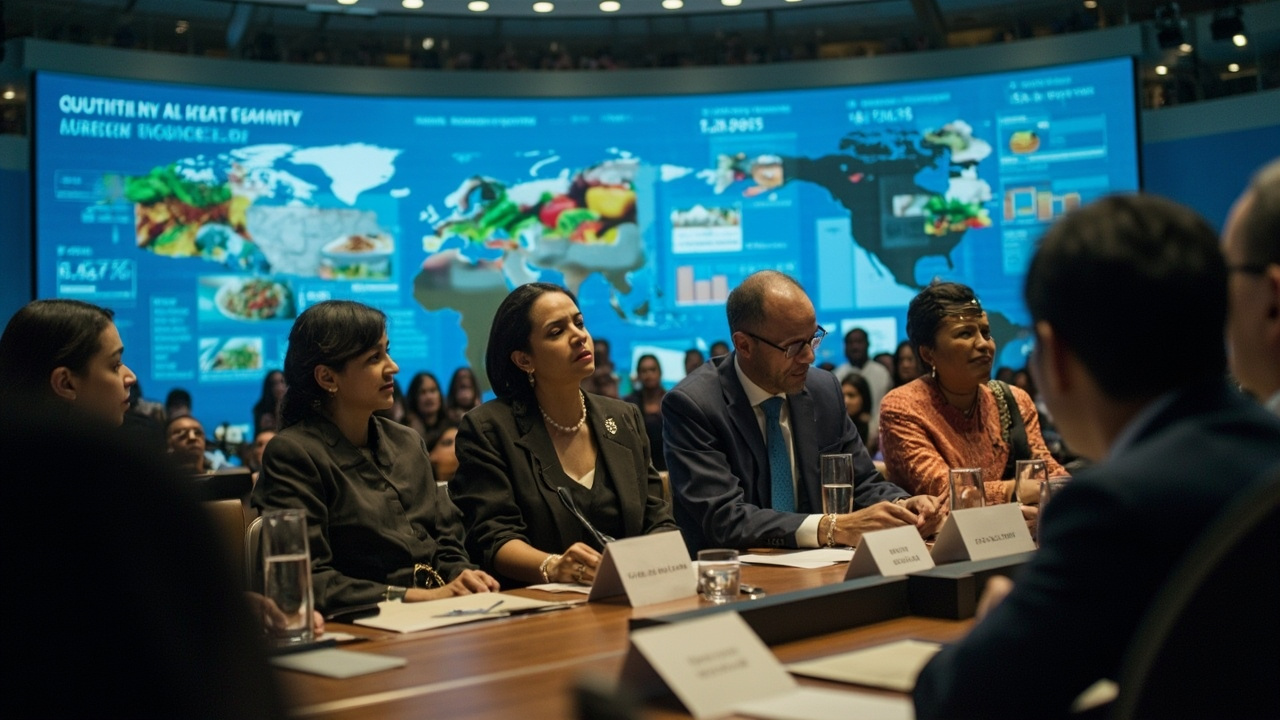
The single most urgent nutrition fact in the world right now is this: nearly 3 billion people cannot afford a healthy diet, and on July 2, 2026, the United Nations convened in New York to confront that number head-on. In a landmark series of sessions at UN Headquarters, member states formally adopted new food security frameworks, heard fresh data from the Food and Agriculture Organization (FAO) and the World Health Organization (WHO), and committed to multilateral action on what experts are calling the defining public health crisis of the decade.
This is not background diplomacy. It is a structural turning point in how the international community accounts for nutrition in its security calculus.
Why July 2, 2026 Is a Pivotal Date for Global Nutrition
The UN's New York calendar on July 2, 2026 centered on a special event titled "The State of Food Security and Nutrition in the World 2026: Understanding and Addressing the High Costs of Healthy Diets." Organized jointly by the FAO and the UN's New York Liaison Office, the event formally presented the SOFI 2026 report — the flagship annual assessment that tracks hunger and diet affordability across 193 member states.
According to the FAO event page (Special Event on The State of Food Security and Nutrition in the World 2026), the central finding is stark: a nutritious diet costs, on average, three to four times more than a diet that merely meets minimum caloric requirements. For families living on less than $3.65 per day — the World Bank's lower-middle-income poverty line — that gap is unbridgeable without structural intervention.
Representatives from more than 150 nations attended the sessions. The mood, by multiple accounts, was urgently collaborative rather than ceremonially diplomatic.
The SOFI 2026 Data: What the Numbers Actually Say
The State of Food Security and Nutrition in the World report is published annually by five UN agencies: the FAO, the International Fund for Agricultural Development (IFAD), UNICEF, the World Food Programme (WFP), and the WHO. The 2026 edition delivers updated estimates through 2025 and projects forward.
Key figures from the report, as cited at the July 2 special event:
- 733 million people experienced hunger in 2024, a figure that has remained stubbornly flat since 2022 after spiking during the COVID-19 disruption years.
- 2.8 billion people — roughly 35% of the global population — could not afford a healthy diet in 2022, the most recent year for which complete country-level data is available.
- Sub-Saharan Africa and South Asia account for the largest shares of diet unaffordability, but the problem is accelerating in middle-income countries as food price inflation outpaces wage growth.
- Children under five bear the sharpest cost: 148 million are stunted globally, a direct consequence of chronic undernutrition in the first 1,000 days of life.
These statistics were not projections or models. They are collected from national household surveys and validated against FAO food price monitoring databases — a methodology the FAO has refined over two decades.
The Codex Connection: New Food Standards Adopted
The July 2 discussions were reinforced by a parallel development: the Forty-Ninth Session of the FAO/WHO Codex Alimentarius Commission, scheduled for July 6–11, 2026, adopted a new tranche of international food standards. According to the WHO events page (Forty-Ninth Session of the FAO/WHO Codex Alimentarius Commission Adopts New Standards), these standards govern nutrient labeling, maximum residue limits for pesticides in fresh produce, and permissible additives in infant formula — all levers that directly affect both the safety and the affordability of nutritious food at the retail level.
The Codex Alimentarius Commission is the joint FAO/WHO body that sets internationally recognized food standards. When Codex adopts a standard, it becomes the reference benchmark for the World Trade Organization's Agreement on Sanitary and Phytosanitary Measures — meaning it shapes what foods can cross borders, at what cost, and with what labeling requirements. The July 2026 standards are therefore not academic; they will affect grocery shelves from Nairobi to New Delhi within 12 to 24 months of national adoption.
What the UN Is Actually Proposing: Four Pillars of Action
The July 2 session did not end with data presentation. Member states and agency heads advanced a four-pillar action framework that will underpin multilateral nutrition policy through 2030:
1. Agrifood System Transformation
Redirecting national and international agricultural subsidies away from commodity crops toward nutrient-dense foods — legumes, fruits, vegetables, and dairy. The current global subsidy architecture, the FAO notes, favors rice, wheat, maize, and sugar, which are calorie-dense but nutrient-poor.
2. Social Protection Expansion
Scaling food voucher and cash-transfer programs in low-income countries, modeled on Brazil's Bolsa Família and Kenya's Hunger Safety Net Programme, both of which have demonstrated measurable improvements in dietary diversity within 18 months of enrollment.
3. Food Environment Reform
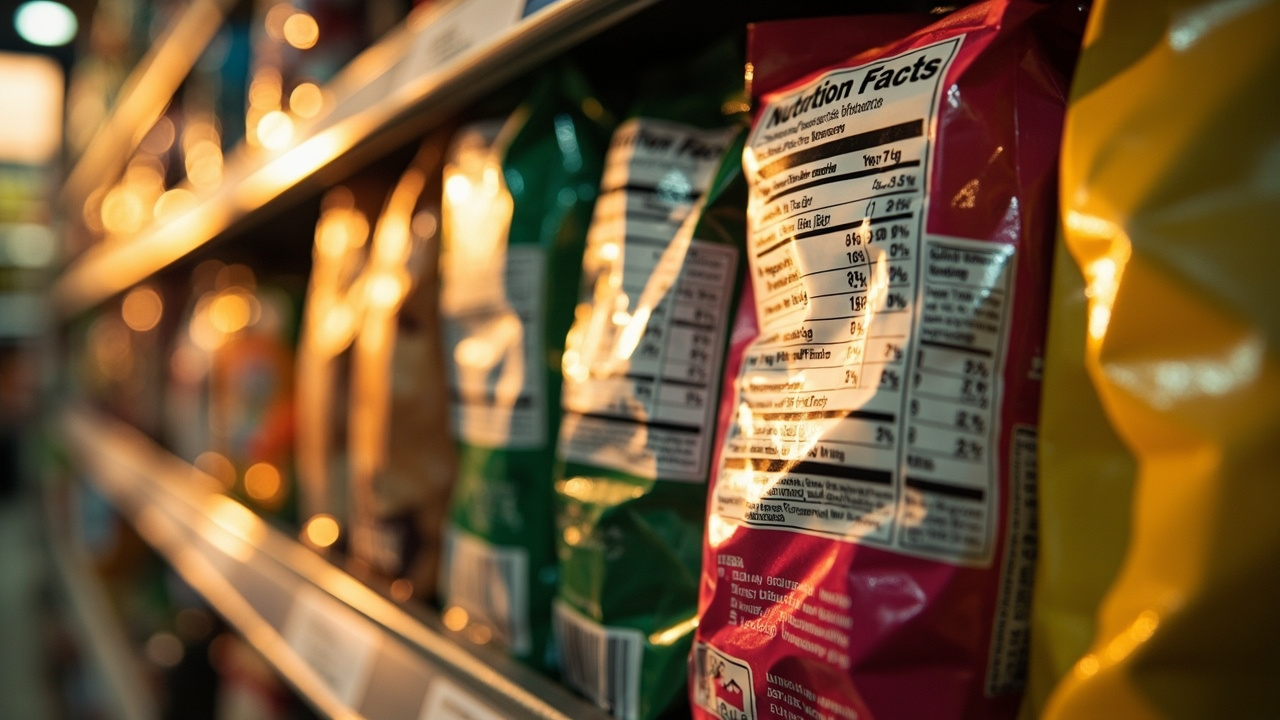
Strengthening Codex-aligned front-of-pack nutrition labeling globally, banning trans-fat-containing partially hydrogenated oils in all member states by 2027 (a WHO target already achieved in 53 countries), and restricting marketing of ultra-processed foods to children.
4. Data Infrastructure Investment
Filling the data gap in low-income countries — currently, 47 nations have not submitted household dietary surveys in more than five years — so that future SOFI reports can track progress with greater precision.
The Human Dimension: Who Goes Hungry and Why
Nutrition statistics can feel abstract. The July 2 session was deliberately structured to prevent that. Civil society organizations, including Bread for the World and the Global Alliance for Improved Nutrition (GAIN), presented testimony from community health workers in Ethiopia, Bangladesh, and Guatemala.
A recurring theme: the cost barrier is not simply about total household income. It is about food price volatility. A family that could afford a balanced diet in January 2024 may no longer be able to afford one in July 2026 if local vegetable prices have risen 30% due to climate-driven crop failure. The SOFI 2026 report dedicates an entire chapter to climate shocks and their compounding effect on diet quality — a direct editorial response to the 2022 El Niño and 2024 East Africa drought cycles.
Technology and Innovation: The Optimistic Horizon
The UN sessions also featured a technology showcase, reflecting cautious optimism about tools that could bend the cost curve on healthy food:
- Biofortified crops: Iron-enriched beans and zinc-enhanced sweet potatoes, developed through HarvestPlus (a CGIAR program), are now grown by more than 10 million smallholder farmers in sub-Saharan Africa and South Asia.
- Precision fermentation: FAO observers noted that precision-fermented dairy proteins — produced without livestock — have reached commercial scale in several high-income markets and could reduce the cost of complete protein by 40–60% within a decade if regulatory frameworks are harmonized.
- Vertical farming and controlled-environment agriculture: While still cost-prohibitive at scale in low-income settings, these technologies are being piloted in urban food deserts in Nigeria, India, and Colombia.
What Individuals Can Do Right Now
Global policy moves slowly. While the UN frameworks take hold, nutrition researchers consistently recommend four evidence-based actions that reduce diet cost without reducing diet quality:
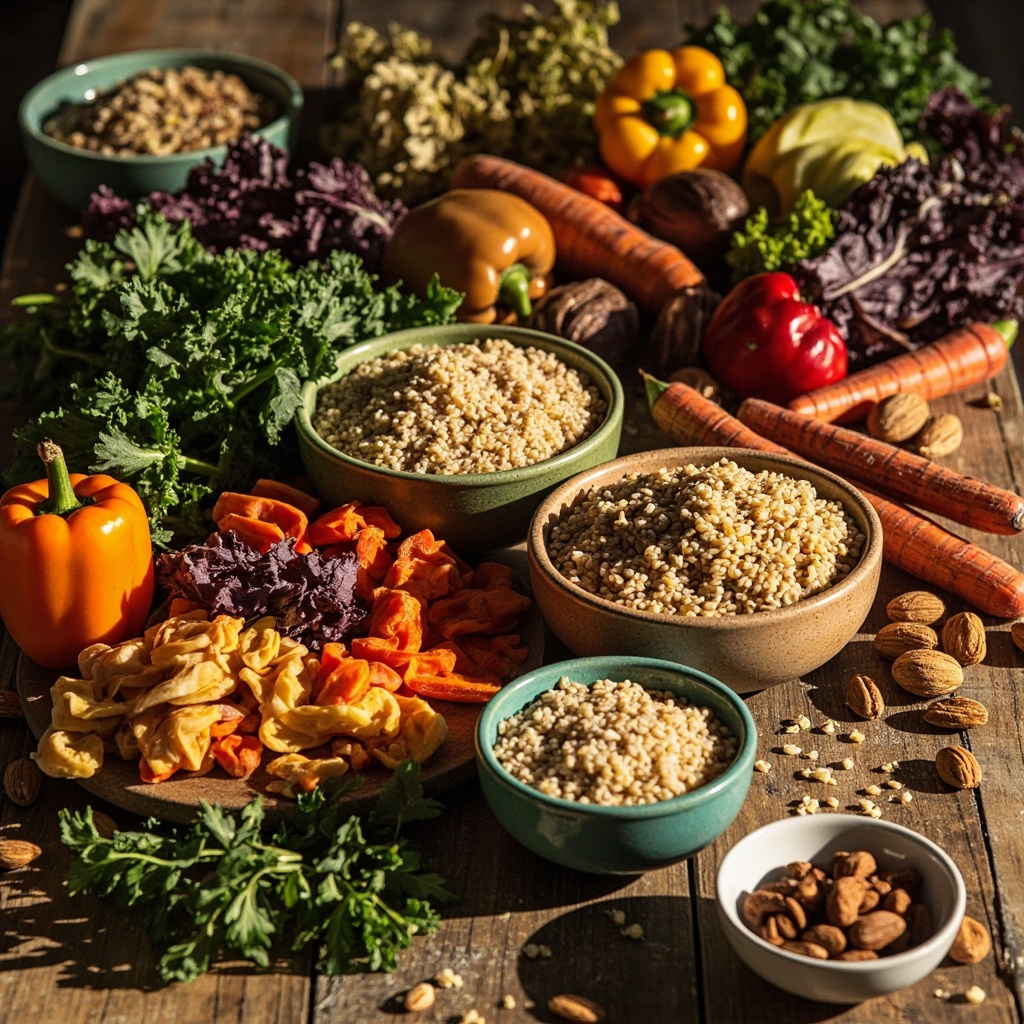
- Prioritize legumes: Lentils, chickpeas, and black beans deliver complete proteins and micronutrients at a fraction of the cost of animal protein.
- Buy seasonal produce: Seasonal fruits and vegetables are 20–50% cheaper than out-of-season equivalents and nutritionally equivalent.
- Reduce ultra-processed food spending: Families that redirect even 10% of ultra-processed food expenditure toward whole foods show measurable improvement in micronutrient intake within weeks.
- Use front-of-pack labels: As Codex standards roll out globally, these labels will make it faster to identify nutrient-dense options at the shelf.
The Bigger Picture: Nutrition as a Security Issue
The UN's decision to embed the July 2 nutrition session within its broader security agenda was not accidental. Hunger and diet inadequacy are now formally recognized in the UN Secretary-General's Our Common Agenda framework as drivers of political instability, migration pressure, and economic underdevelopment. A population that cannot afford to eat well cannot sustain the productive capacity or civic engagement that stable governance requires.
The July 2026 sessions mark the clearest institutional articulation yet of that linkage — and set up the 2027 UN Food Systems Summit+4 stocktake as the next major checkpoint for accountability.
The work is enormous. The data, the political will, and the multilateral architecture are, for the first time in years, aligned.